Christopher N. Boyer, Tyson B. Raper, and S. Aaron Smith
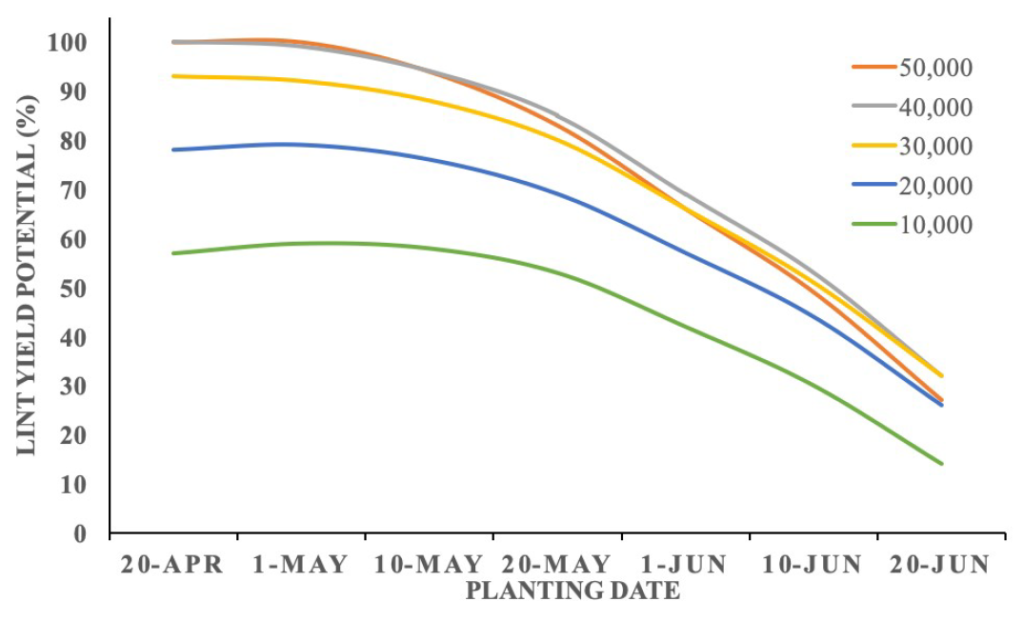
May 20th (Final Planting date) has come and gone and June 4th (End of Late Planting) is around the corner for cotton producers. If you haven’t planted yet and have Revenue Protection or Yield Protection insurance policies, there are four options:
- Plant cotton in the late planting period. This option comes with reduced insurance; the farmer’s production guarantee would decrease 1% per day, for each day of delay after the final planting date until the crop is planted or the end of the late planting period. Production guarantee is the guaranteed revenue amount offered by a crop insurance provider and is calculated by multiplying guaranteed insurance price by actual production history (APH) yield, which is a 4 to 10-year trend adjusted average yield used for future crop insurance purchases, by insurance coverage level.
- Take the full prevented planting payment. The full prevented planting payment is the farmer’s production guarantee multiplied by the prevented planting coverage factor. The prevented planting coverage factor for cotton is 50%. This option requires leaving the land fallow or planting a summer cover crop after the late planting period that cannot be harvested or grazed before November 1st. This option does not impact the producer’s APH.
- Receive a 35% of their full prevented planting payment for cotton and switch to a second crop. If a partial indemnity payment was received for the first crop, the second crop will be uninsured, and a farmer must wait until after the late planting period for the first crop to plant the second crop.
- Forgo the prevented planting payment for cotton and plant a second crop. If a farmer did not receive an indemnity payment for the first crop, they can switch their insurance to a second crop and plant immediately.
In this report, we examine each of these alternatives by assessing the profit-maximizing option using historical crop yield data, and also lay out information producers should consider if they are faced with a prevented planting decision. Continue reading →


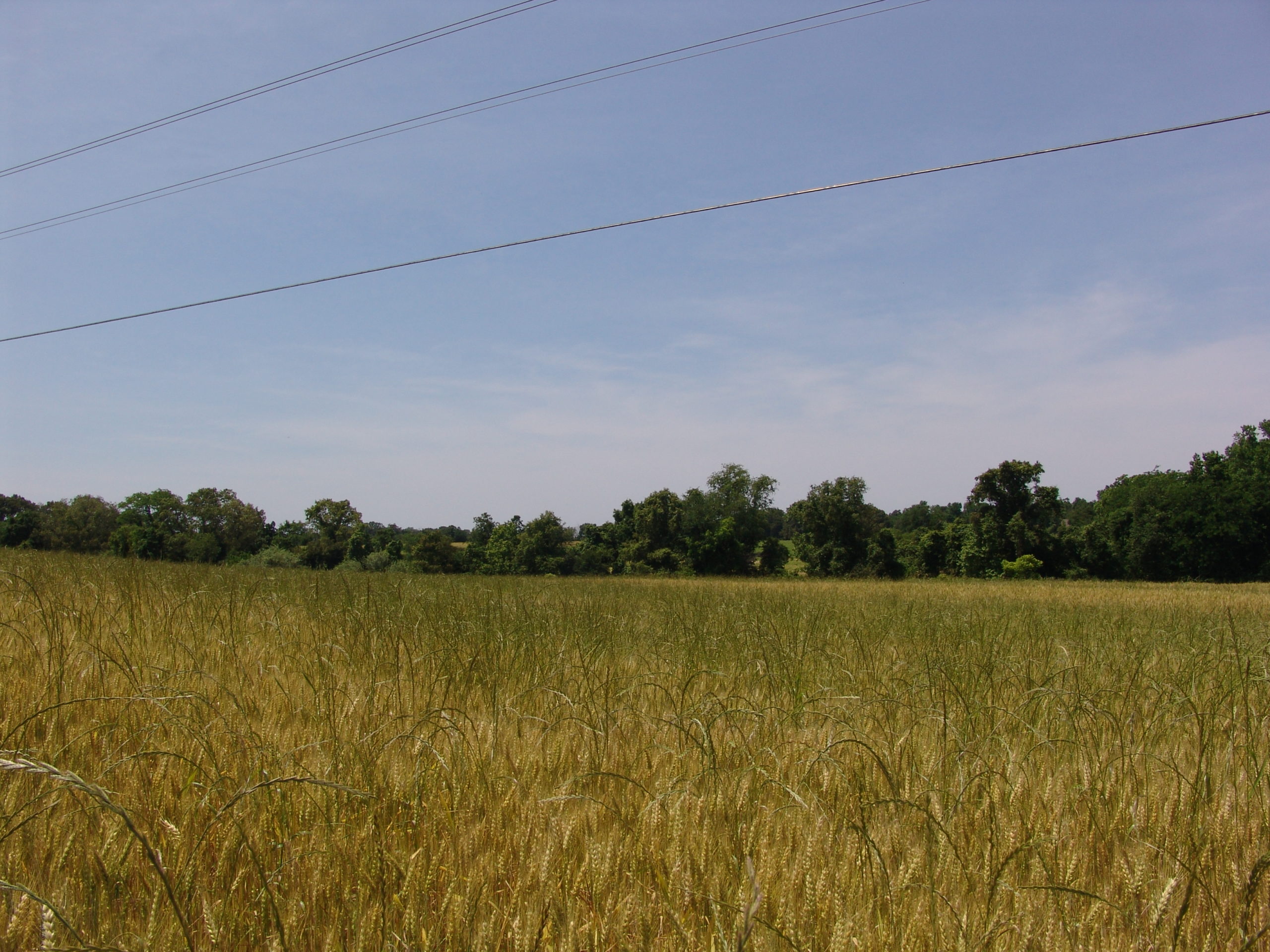
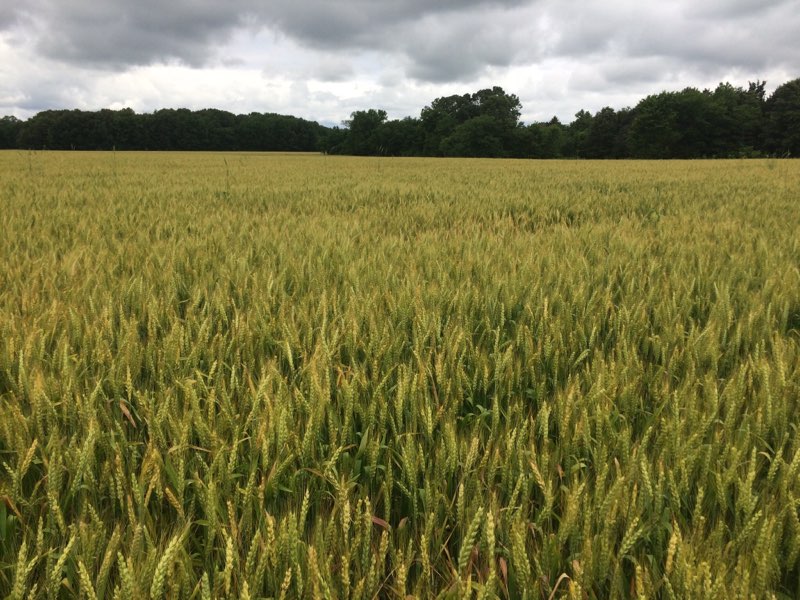 Reports of blanks in wheat heads began trickling in last week and by this week became common. The impacted areas appear to run northeast from Hardeman/Fayette Counties through Madison county and into Henry County. The injury I’ve observed has ranged from light to severe, with the worst injury appearing on acres that were planted in early October. From the windshield, the injury will likely not be noticeable; at a distance, the wheat may simply appear to be maturing rapidly (see image above). Estimated yield loss from the picture above equaled 40%.