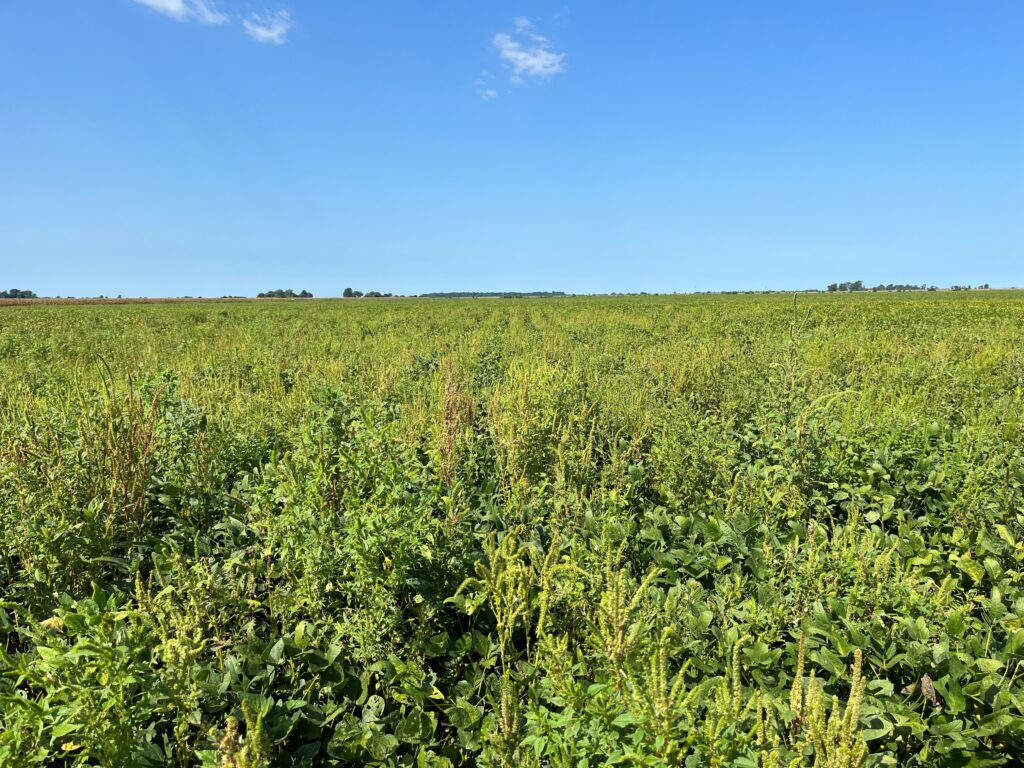
Picture 1. Palmer Amaranth Escapes in Xtend Soybean
Driving across West Tennessee last week it is very apparent we have taken a step backward on Palmer amaranth control. Many fields that looked clean from the road in late July are now showing large Palmer amaranth escapes. Upon closer inspection the pigweed escapes are at least partially affected by the dicamba applications which resulted in them staying hidden from the road until the last couple of weeks. Continue reading →
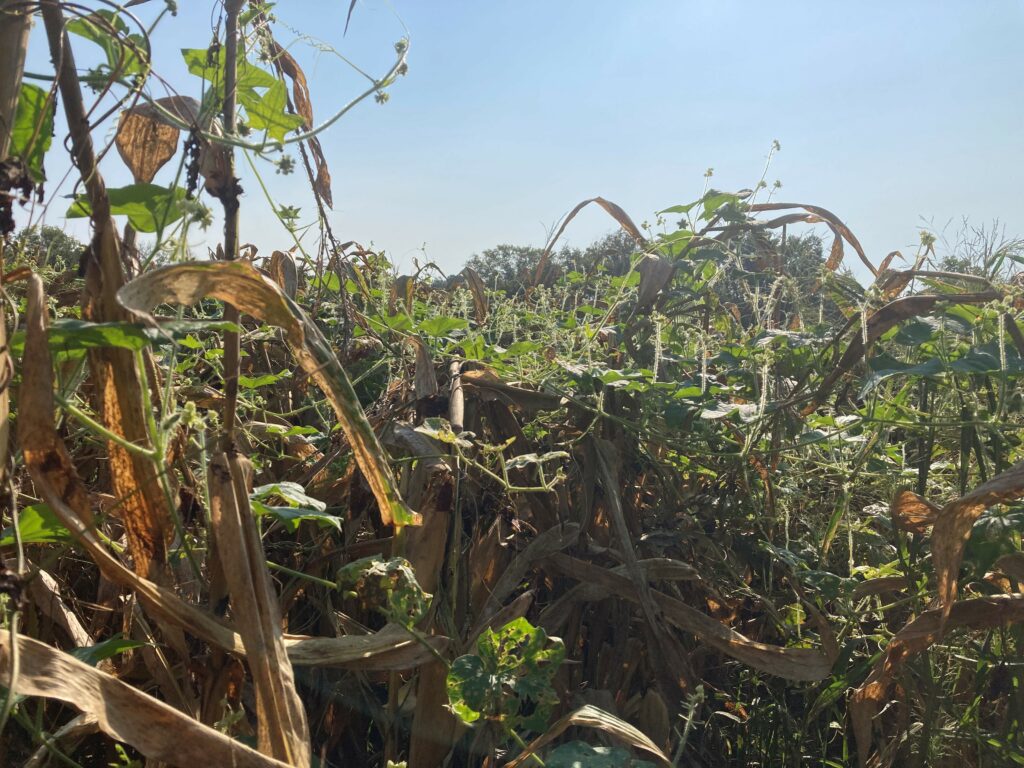
Practically every September some growers are dismayed at the vine infestations present at corn harvest. Often, these weed infestations emerged after PRE applied or early POST applied herbicides had played out. They grew very little until August and as the corn dried down and light became more available those established weeds started rapidly growing.
The vines in question are often perennial in growth habit like honeyvine milkweed, redvine, hedge bindweed and burcucumber. There is really no in-crop option that will provide good perennial vine control. The best one can achieve with an in-crop application is enough vine suppression to minimize harvest issues.
Perennial vines are best controlled with herbicide applications after harvest. The most consistent tactic is to allow the vines to grow back for a week or so after harvest and then apply dicamba and/or 2,4-D. Tank mixing in glyphosate can also increase vine control. For best results go with rates at the higher end of the labels. Continue reading →
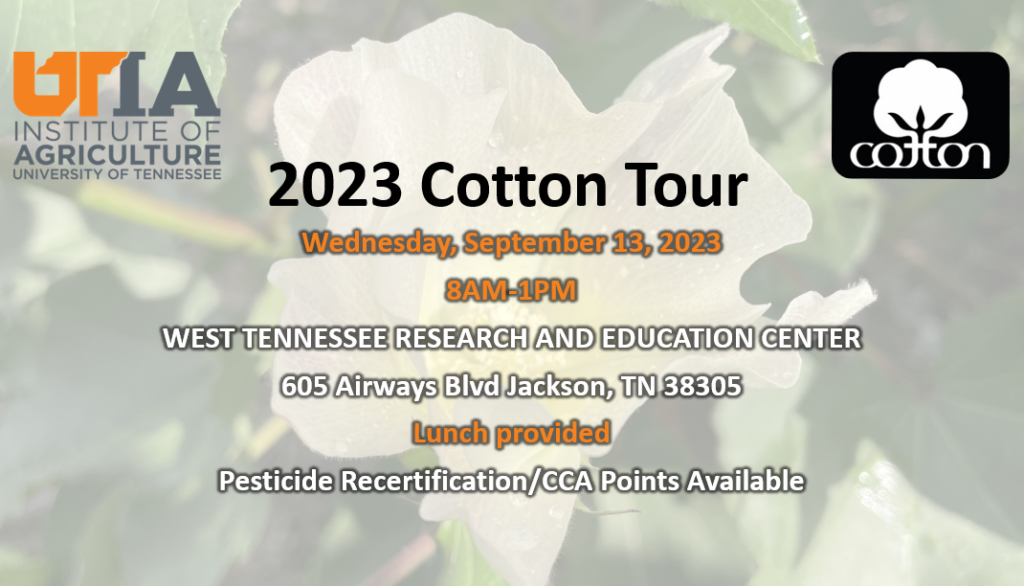
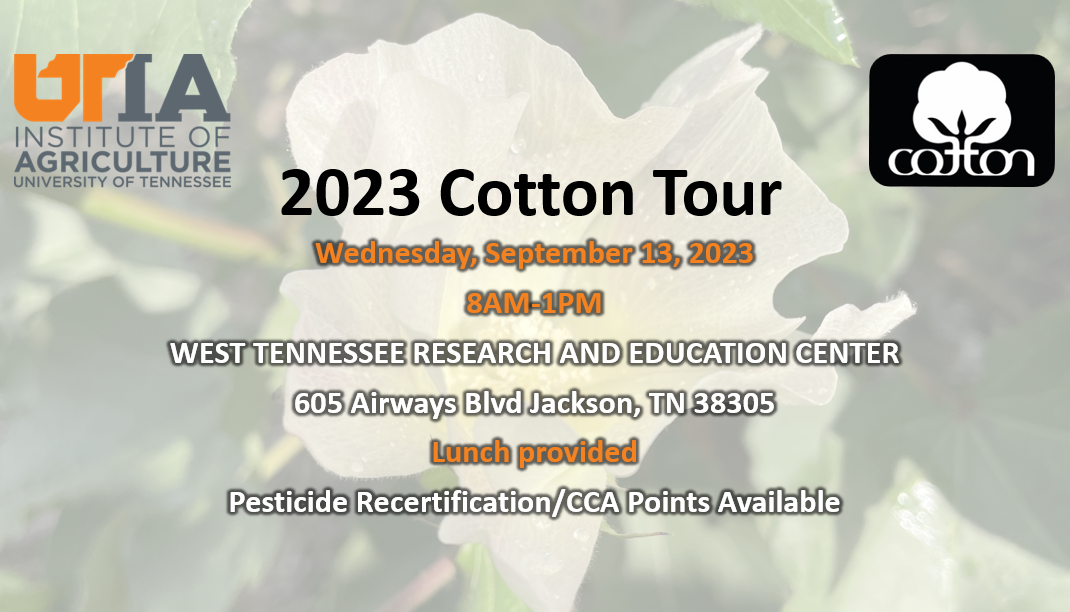
The 2023 Cotton Tour will be held next Wednesday, Sept. 13, 2023 at 8AM at the West Tennessee Research and Education Center (605 Airways Blvd, Jackson, TN 38305). Pesticide recertification and CCA points will be available. Tulum will be catering lunch for us.
I’m very happy to report the slate of speakers includes Dr. Jake McNeal, our new Corn and Soybean Specialist who started earlier this spring. He will make a few comments about a few of the research trials he has established at WTREC and some preliminary results from a soybean desiccation study. The agenda for the event can be found by following this link. Look forward to seeing you there!
I’ve had several questions over the past two weeks about how many heat units we have accumulated and how this compares to our average year. As of August 28th, we have accumulated 1,974 DD60s since May 1. We’ve broken from the 30 year average trend line several times throughout the year; May was considerably warmer, June pulled us back to the average trend line, and although we have been rolling above and below the line from the end of July through August, as of August 28th, we are within 15 heat units of the 30 year trend line; on average, by August 28th, we accumulate 1,961 DD60s. As you look at the above graph, you may notice these breaks with the trend line are ever-so-slight. Keep in mind rate of change is important. If you zoom in on several of the regions highlighted above, you can see how our weather this year breaks from the trend line before rejoining it throughout the season. Continue reading →
Soybean cultivar selection in the Mid-southern U.S. has shifted toward early maturing, indeterminate maturity group (MG) 4 varieties. This shift has increased the adoption of harvest aid application in these environments. Leaf retention and green stems and pods in earlier maturing, indeterminate varieties after physiological maturity can delay harvest. Application of harvest aids also assists in late-season weed control and may allow producers to achieve earlier crop delivery at an above-base premium. Continue reading →
The 2023 Cotton Tour will be held Sept. 13, 2023 at the West Tennessee Research and Education Center (605 Airways Blvd, Jackson, TN 38305). Pesticide recertification and CCA points will be available. Lunch will be provided. We will also be touching on a few other commodities (soybeans, corn). An agenda will be posted to the blog in the coming weeks. Look forward to seeing you there!


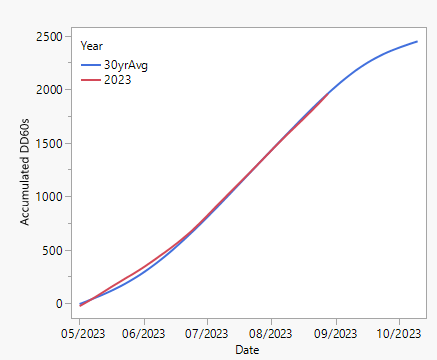 I’ve had several questions over the past two weeks about how many heat units we have accumulated and how this compares to our average year. As of August 28th, we have accumulated 1,974 DD60s since May 1. We’ve broken from the 30 year average trend line several times throughout the year; May was considerably warmer, June pulled us back to the average trend line, and although we have been rolling above and below the line from the end of July through August, as of August 28th, we are within 15 heat units of the 30 year trend line; on average, by August 28th, we accumulate 1,961 DD60s. As you look at the above graph, you may notice these breaks with the trend line are ever-so-slight. Keep in mind rate of change is important. If you zoom in on several of the regions highlighted above, you can see how our weather this year breaks from the trend line before rejoining it throughout the season.