
Category Archives: Corn

Bollworm Trap Catches

Author:  Comments Off on Bollworm Trap Catches

I’ve gotten a few phone calls inquiring about our bollworm moth trap catches and what the populations are doing. To date, we’ve only had one trap catch that was in the double digits and that was on the WTREC research station. Our trapping runs began in May and will continue through August across West TN.  We are still on the early side for bollworms to appear in cotton and once we begin to see consistent numbers across our catches, I’ll update our numbers on the blog. Keep a look out for eggs and kicking up moths as you scout cotton and soybeans. The drought situation and overall poor condition of corn may have an impact on the bollworm generation migrating out of corn, we’ll see the results of that in the coming weeks.

Is it time to irrigate corn?

Author:  Comments Off on Is it time to irrigate corn?

Corn is not sensitive to water limitations in early vegetative stages, but it’s important to watch the growth stages and soil type when timing irrigation. After V8, corn undergoes rapid vegetative growth and ear size determination begins (Table 1).  A corn plant’s irrigation requirement will drastically change with the onset of hot and dry conditions such as are being experienced this month (Figure 1). Continue reading →


Ryegrass and Johnsongrass: Where do we go from here?

Author:  Comments Off on Ryegrass and Johnsongrass: Where do we go from here?
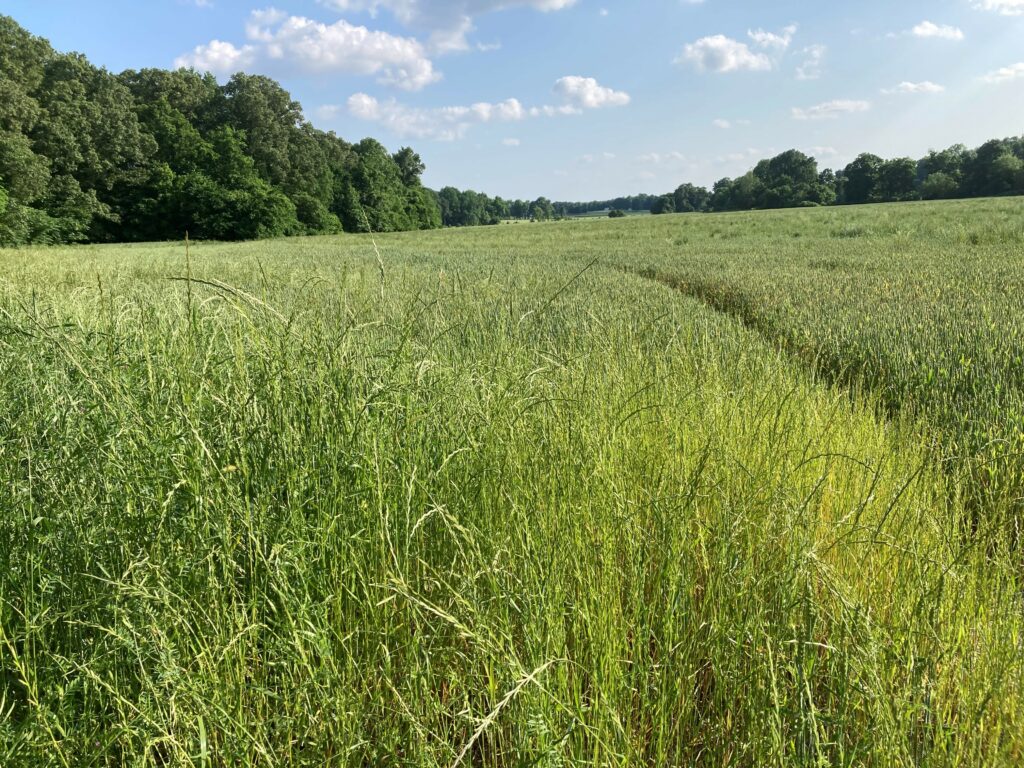
Lush green field under blue cloudy sky.
Picture 1. Ryegrass infestation in wheat escaping Osprey
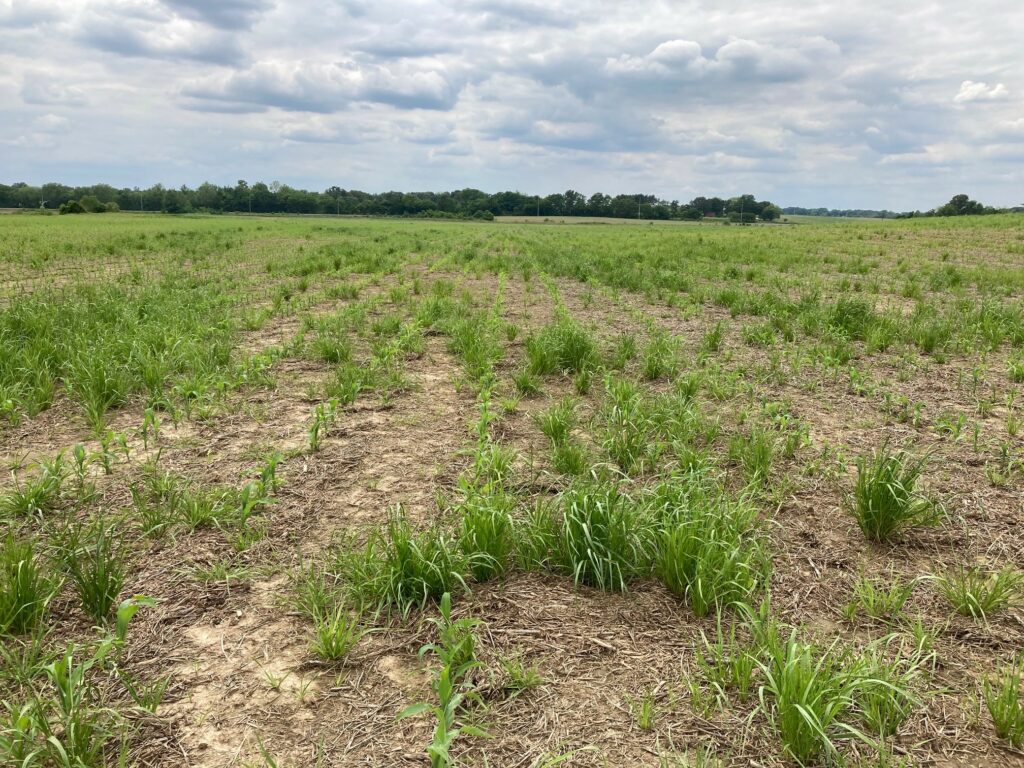
Green field under cloudy sky landscape.
Ryegrass in corn escapes glyphosate + dicamba burndown

Ryegrass has moved from being an aggravation 10 years ago to a significant weed issue in our row crops.  In wheat at this point, the yield loss caused by the weed has occurred (Picture 1). In cotton and soybeans, clethodim can be used now to push this weed on to maturity. In corn, there is no real solution to controlling it other than spraying the typical POST corn premix and hoping that pushes the ryegrass on to maturity (Picture 2).

The wheat fields that were consistently clean of ryegrass were those treated with either Anthem Maxx, Zidua or Axiom last fall.  A good bit of the ryegrass population in the state is resistant to ALS-inhibiting herbicides which renders herbicides like Osprey, Finesse, and Powerflex harmless to ryegrass. Axial Bold has shown improved ryegrass control in spring applications over those ALS-inhibiting herbicides but it does not offer the consistent ryegrass control as those delayed PRE-applications of Anthem Maxx, Zidua or Axiom.

Johnsongrass is also a consistent problem in a good many cornfields. Glyphosate is just not providing any traction in the burndown on Johnsongrass and the POST in-crop applications are no better.  Our most recent research funded by the Tennessee Corn Checkoff program has shown that Steadfast Q or Accent Q can still provide good control of Johnsongrass when glyphosate fails.


Poor Burndown Performance

Author:  Comments Off on Poor Burndown Performance

There have been a number of reports on disappointing burndown applications that were applied during that cold stretch, 3 to 4 weeks ago, when nighttime temperatures were in the 20s.  The herbicides that performed poorly were some combination of systemic herbicides glyphosate, dicamba, clethodim and Leadoff. Continue reading →