
09
Sep
2024
All posts by Heather Marie Kelly, Extension Plant Pathologist
02
Sep
2024
“Hot” Topic – Ear Rots and Mycotoxin Management in Corn
02
Sep
2024
Corn harvest is upon us in Tennessee and we have had a few calls about scouting for ear rots and managing mycotoxins. Continue reading
02
Aug
2024
Cotton, Corn, and Soybean Disease Updates
02
Aug
2024
With the heat and isolated showers in Tennessee, diseases are brewing; but not all of them require fungicide application. Continue reading
05
Jul
2024
Disease updates and fungicide considerations in corn and soybean
05
Jul
2024
With the wide range in planting dates, we have soybean and corn at all different stages which will influence disease onset and fungicide considerations. Continue reading
18
Apr
2024
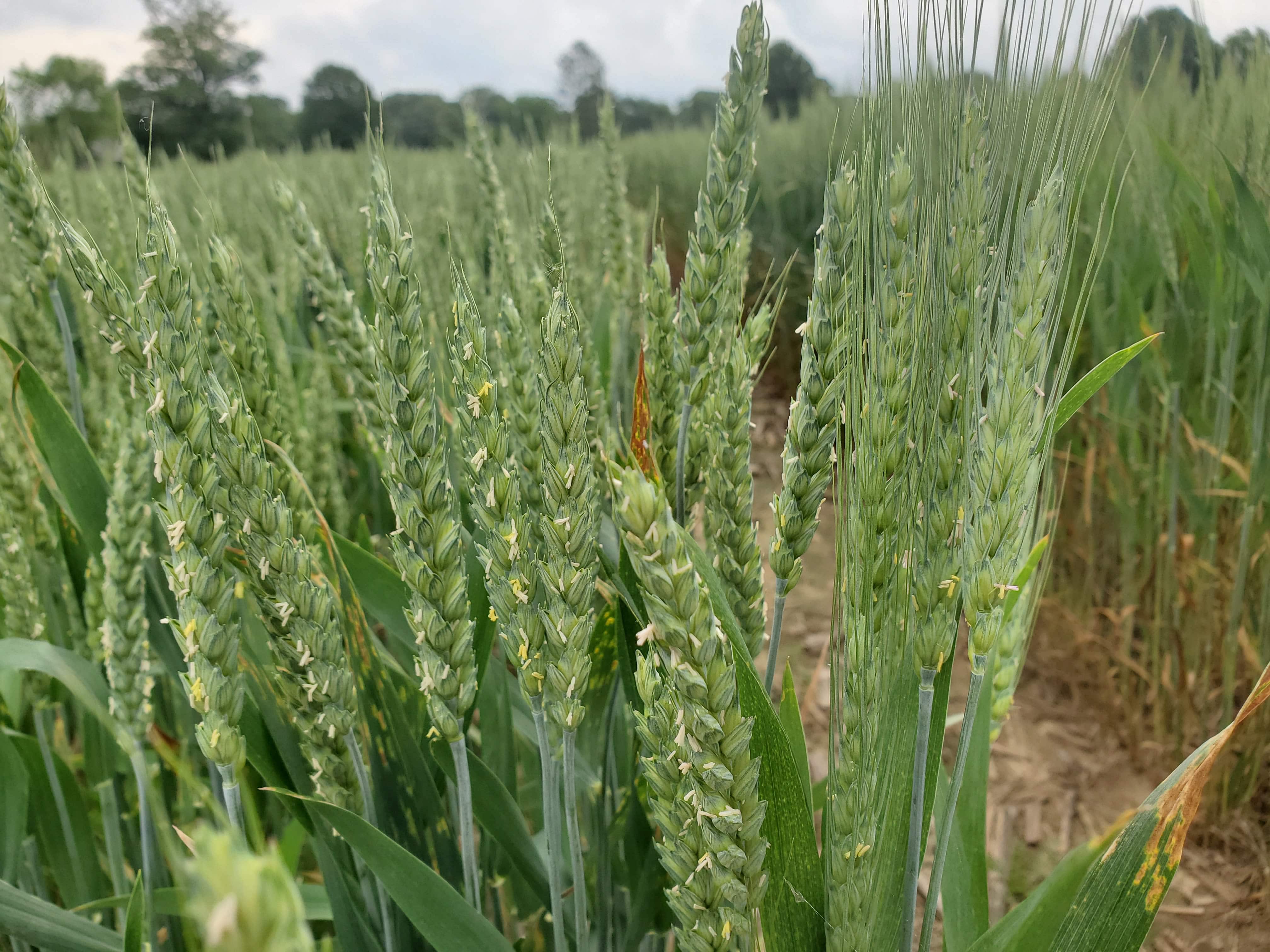
Wheat Disease Update – Know Your Risk for Scab
18
Apr
2024
Most wheat in Tennessee is in the flowering period, the highest period for susceptibility to scab/FHB infection. There are multiple factors that can contribute to a field’s Scab/FHB risk.
04
Apr
2024
Wheat Disease Update and Fungicide Options
04
Apr
2024
As wheat is approaching flag leaf stage in Tennessee, start scouting if you haven’t already for disease. Depending on variety susceptibility you may already see powdery mildew and/or wheat blotch (Septoria and/or Stagonospora blotch); but if no disease present start considering Fusarium Head Blight management. Continue reading
12
Mar
2024
See Yourself In Our Field – Internship Program
12
Mar
2024
Interested in gaining hands-on experience in Agricultural Extension and Research Programs? Apply for the paid internships provided at the West TN AgResearch and Education Center in Jackson, TN. Continue reading
27
Feb
2024
Looking for a Podcast? – Check these out
27
Feb
2024
Ready to learn something while driving down the road or riding the tractor? Try out one of these podcasts … Continue reading