 Photo credit: University of Tennessee Institute of Agriculture (UTIA), Shekoofa’s lab
Irrigation timing: Corn & soybean
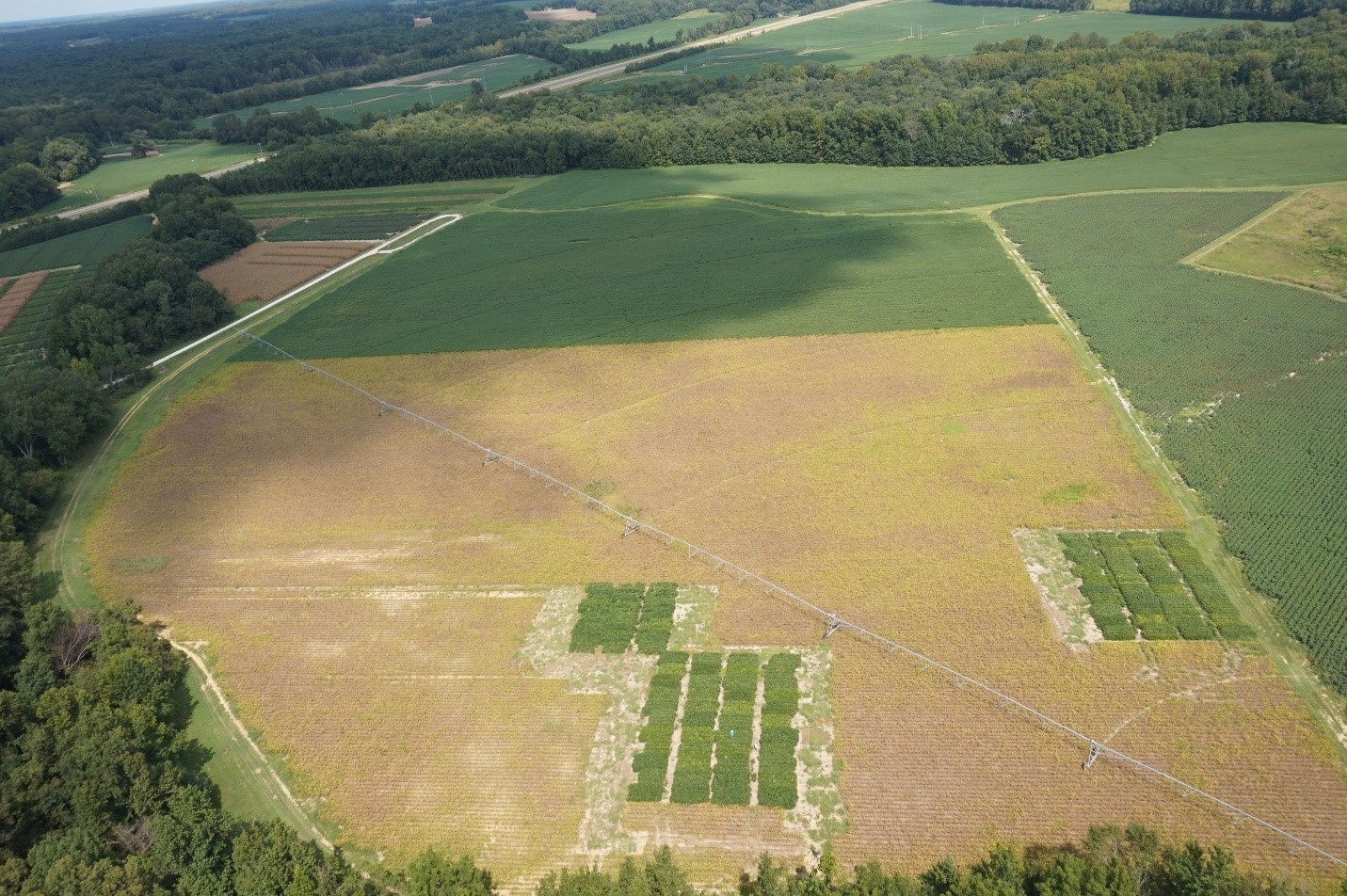
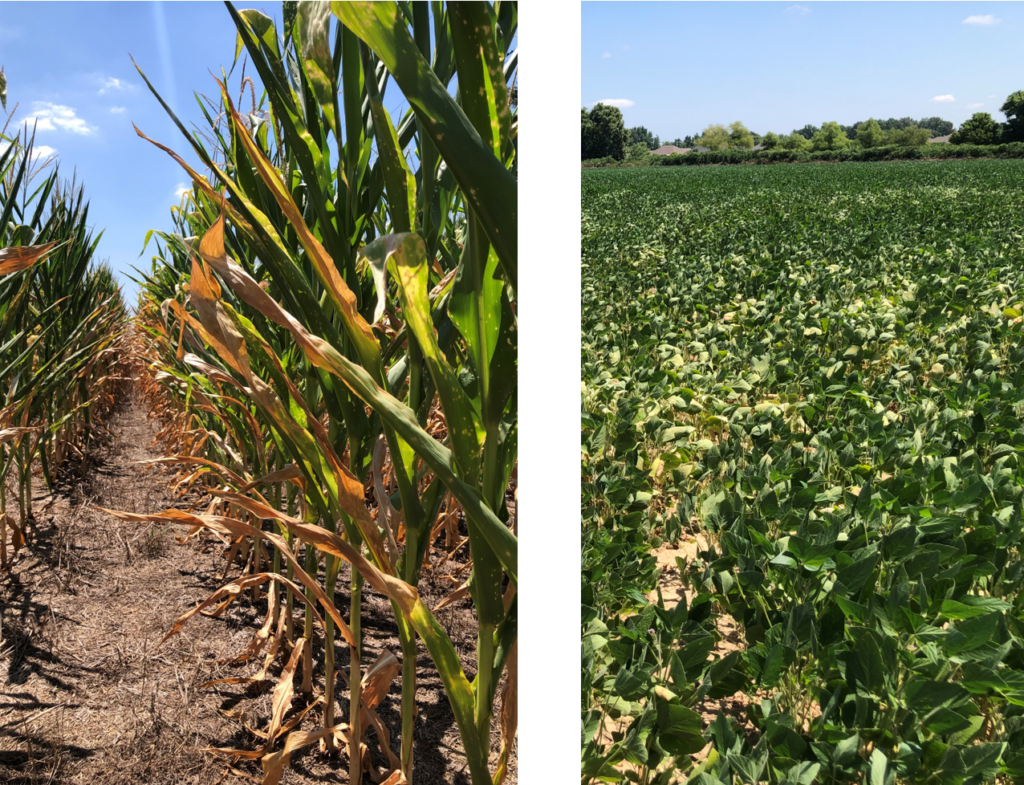
As we head into the second week of June, many growers are understandably concerned about potential yield loss due to drought stress. In this blog post our Extension Corn and Soybean Specialist, Dr. Jake McNeal and I have discussed irrigation strategies for both corn and soybean.
Understanding the relationship between crops and their environment is critical for effective irrigation management. Crop water use and demand varies as a function of growth stage and weather conditions. Furthermore, the capacity of a soil to hold and deliver water to plant roots (soil water–holding capacity) varies widely across different soil textures.
Also, we want to emphasis that there is a distinct physiological difference between heat stress and drought stress, especially in corn. Even in the presence of adequate soil water, corn leaves will often curl inward from the leaf margins during extended periods of high temperatures. Many refer to this as “pineapple leaves” or a “pineapple crop”. Furthermore, it is very difficult to discern between the two without utilizing a soil water sensor in your crop.
Corn-The Mid-South region of the U.S. receives sufficient annual rainfall to grow corn without irrigation in most years. However, irrigation is common in corn production because rainfall is not always distributed adequately throughout the growing season for the crop, especially during critical reproductive periods. Therefore, not all rainfall can be considered effective. Continue reading →

 As many of you know, Dr. Angela McClure, our Extension Corn and Soybean Specialist, retired at the end of June after 20 years of service. Dr. McClure will be greatly missed. We are actively searching for a replacement and hope to have the position filled quickly. In the meantime, my colleagues and I will do our best to cover these commodities until the position is filled.
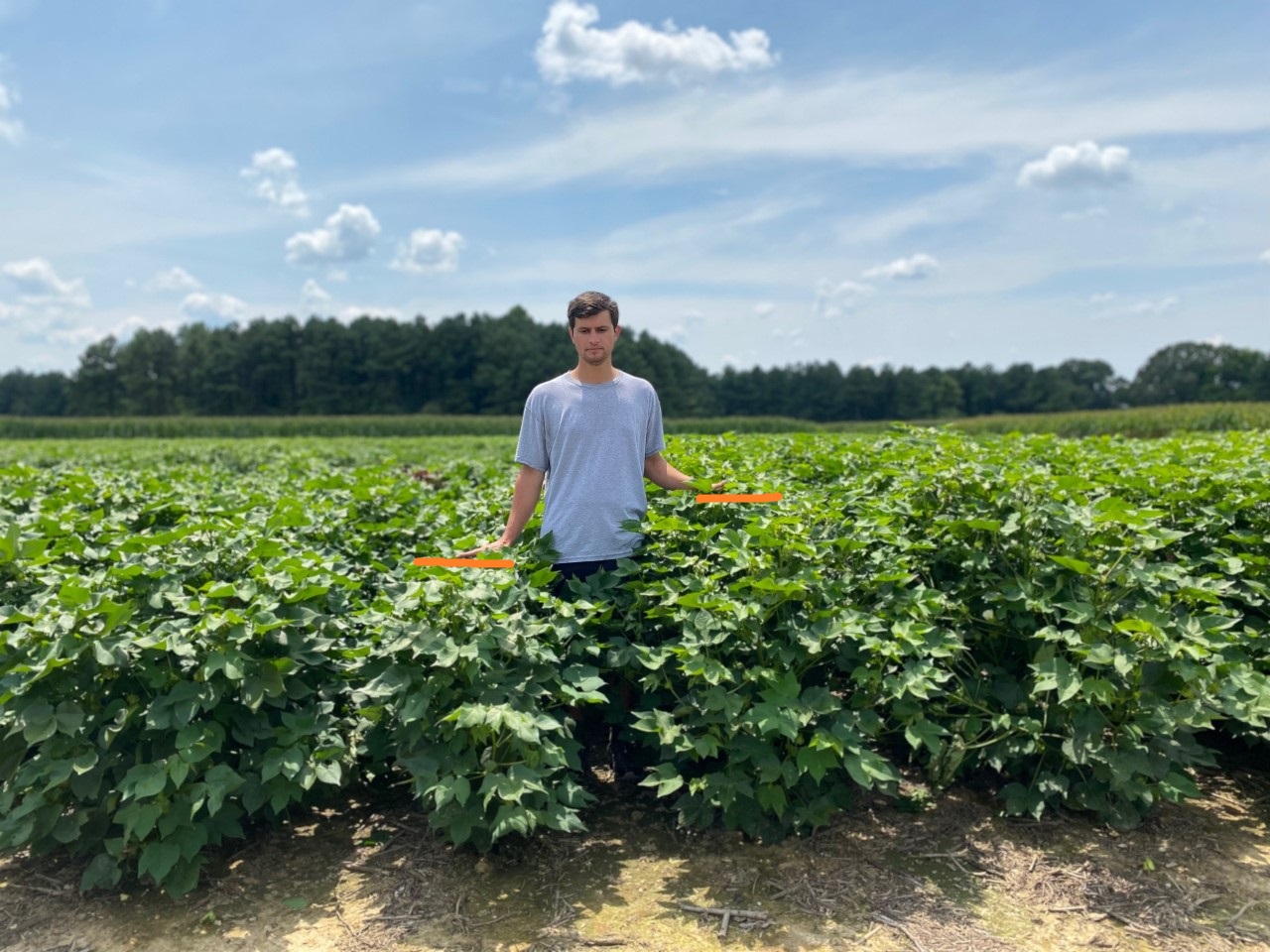
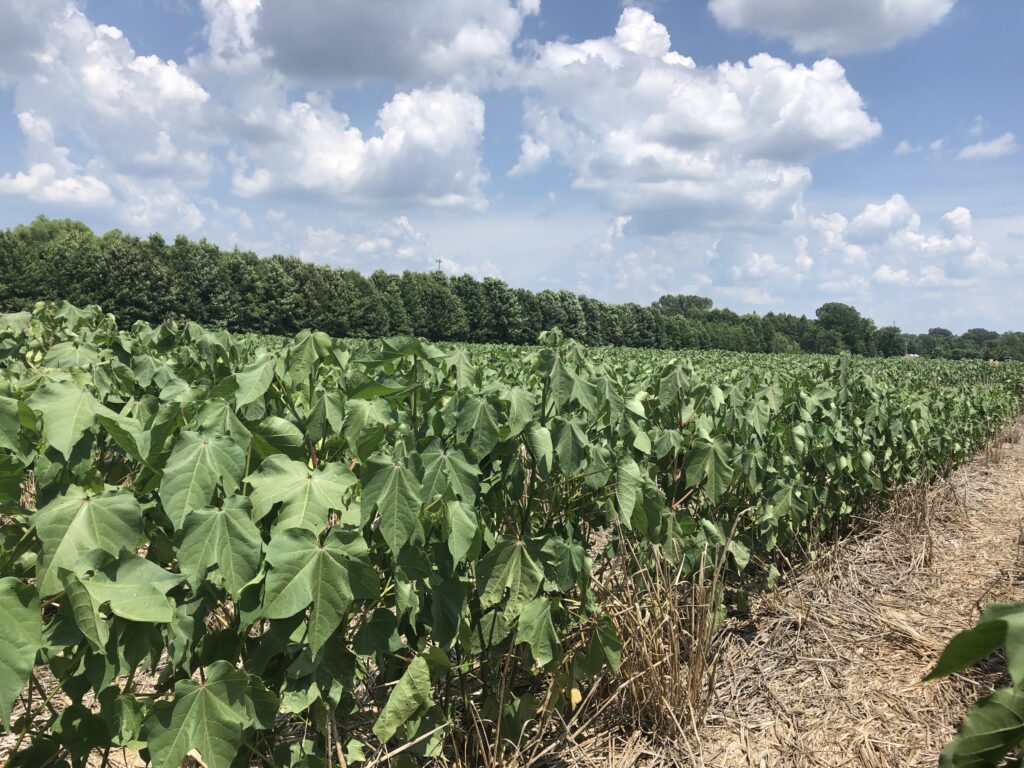 Everyone seems to have an opinion on watering cotton in humid regions- do this, don’t do that unless this happens, etc. Even when you do everything right in a normal year, dryland cotton in TN often comes out close (and occasionally ahead) of irrigated. In a normal year, cotton often finds its way into the more droughty areas of the farm and is often bumped out from under pivots to make way for corn or soybeans which typically respond better to irrigation.