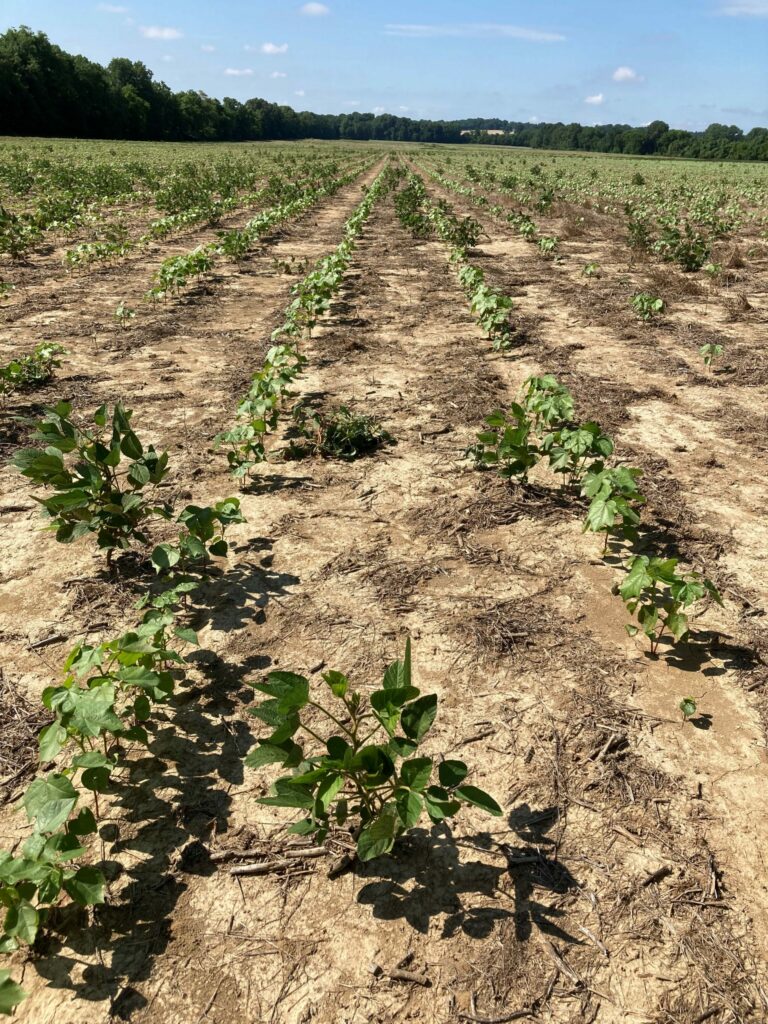
A recent new “weed” issue in XtendFlex cotton is volunteer XtendFlex soybean (Picture 1). Recent research has shown that Envoke at 0.125 to 0.15 ozs/acre provides very good control as soon as 7 days after application (Picture 2). Continue reading


A recent new “weed” issue in XtendFlex cotton is volunteer XtendFlex soybean (Picture 1). Recent research has shown that Envoke at 0.125 to 0.15 ozs/acre provides very good control as soon as 7 days after application (Picture 2). Continue reading
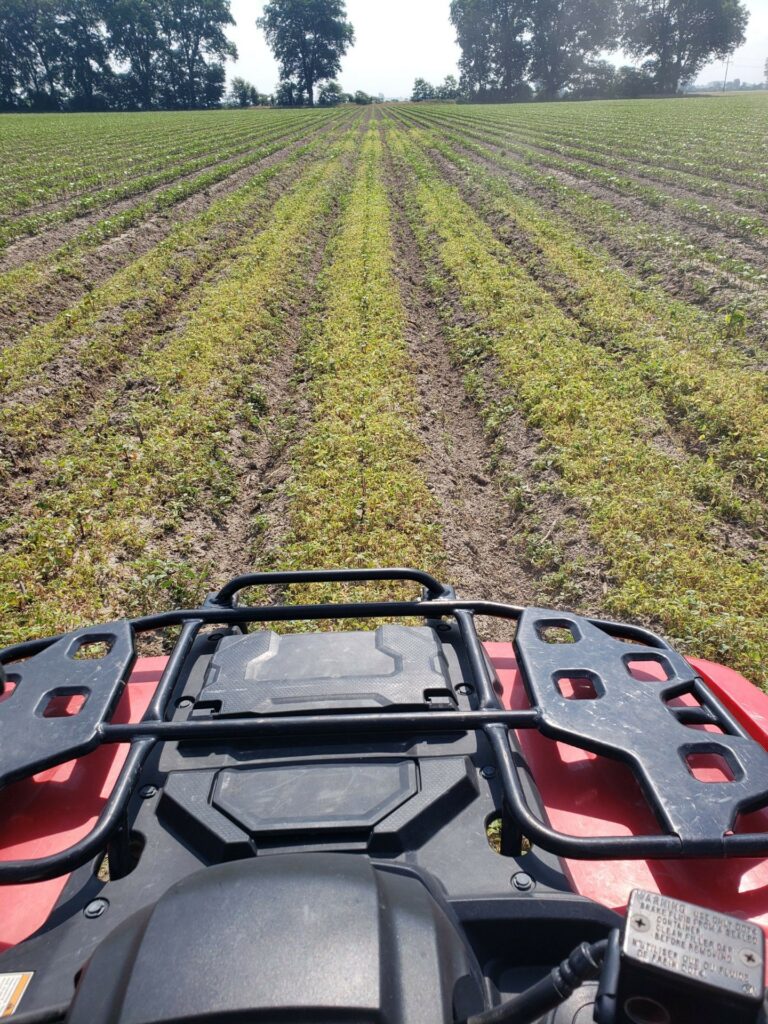
Poor performance of dicamba on Palmer amaranth was again the theme of the last ten days. There have been numerous reports typically with attached pictures of large patches of Palmer amaranth recovering from dicamba application/s (Picture 1). Continue reading
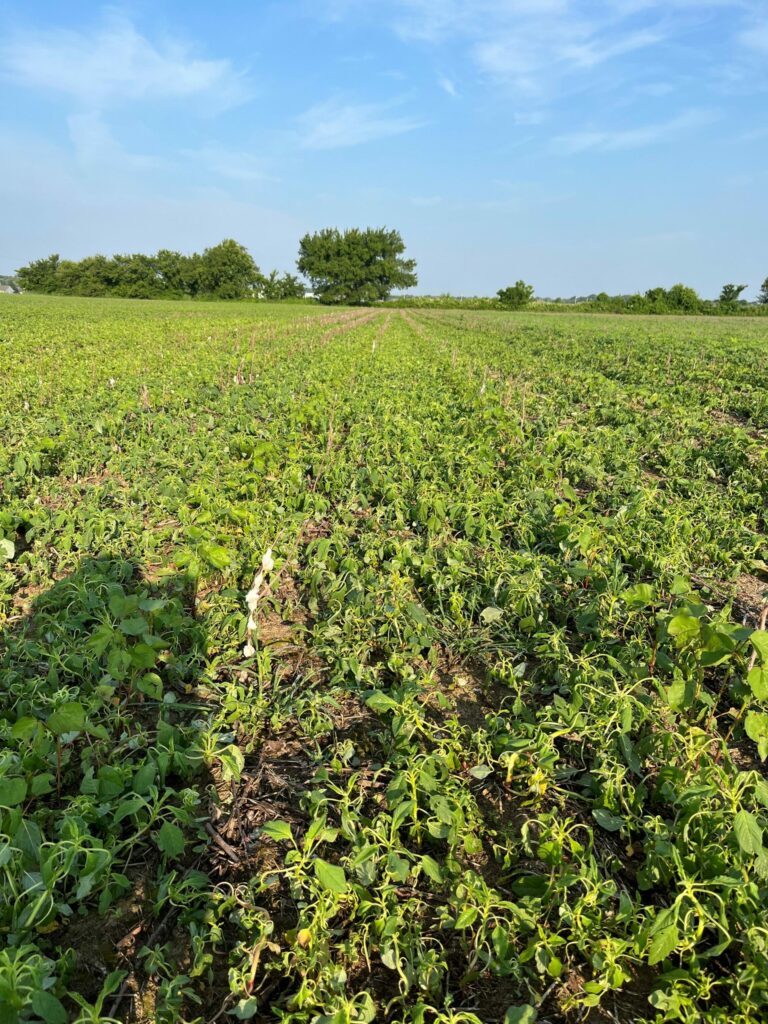
Just when it appears that ryegrass has become our most problematic weed, Palmer amaranth goes into “hold my beer and watch this” mode. In the last 10 days we have fielded numerous reports on dicamba failures to control Palmer amaranth. Just this past week we were able to visit a number of these fields. Continue reading
To date, we have sampled several tobacco thrips populations across the Midsouth and Southeast. Every population tested has come back highly resistant to orthene (30 to 40% mortality). Bidrin performed marginally better but assayed populations resulted in mortality levels below 55%. One population from the Missouri Bootheel exhibited 80% mortality to Bidrin. Spinetoram, the thrips active ingredient in Radiant/Intrepid Edge, is performing well with 100% mortality exhibited in all populations tested. Intrepid Edge + surfactant is also performing the best in our foliar tests across the Midsouth. Organophosphate insecticides (Orthene, Bidrin, Dimethoate) are performing poorly in my tests in West Tennessee, which is no surprise. Increased Orthene rates didn’t improve control and may exacerbate other pests such as spider mites and cotton aphids. Overall, I haven’t received the number of calls/complaints that we had last year on Orthene/Bidrin but we had better growing conditions this year vs last and some fields outran thrips. We are continuing to assay populations from the Midsouth and Southeast and I’ll update the blog as we obtain more results.

| Week 4: Magnesium |
| In this installment in our series on nutrient deficiencies in corn and soybean, this week we take quick look at magnesium: symptomology, sources, and common causes. |
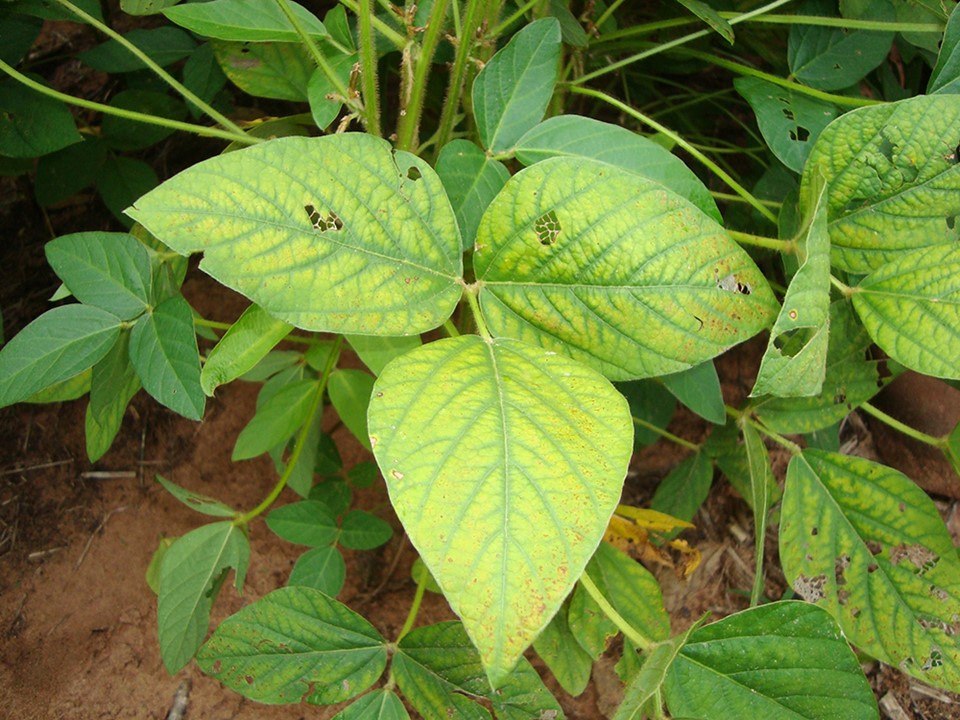
| Week 3: Potassium |
| In the third installment in our series on nutrient deficiencies in corn and soybean, this week we take quick look at potassium: symptomology, sources, and common causes. |

As the calendar turns to June weed management concerns change from ryegrass and horseweed to the summer annuals goosegrass, junglerice and Palmer amaranth.
Tennessee growers are in a real crunch time to control these three summer annual weeds. Big percentages of the corn, soybean and cotton crops all need some kind of POST application right now. The planter technology that can plant three different crops across large acreages very quickly has one drawback. The sprayers often cannot keep up to most every acre needing to be sprayed just as quickly. Continue reading
It is crunch time for weed control in our row crops. When every minute counts to get herbicide applied it is tempting to cut corners on herbicide stewardship. The forecast would suggest that Tennessee will be entering a bit of a dry spell. Herbicide drift is even harder for crops to recover from when drought stressed so please take time to use best management practices applying all herbicides but particularly products that contain dicamba and 2,4-D. Continue reading