A deadline that is quickly approaching in Tennessee is the state rule that prohibits the use of older generic formulations of dicamba in soybean or cotton from May 15 to October 1. Continue reading
27
Apr
2021

A deadline that is quickly approaching in Tennessee is the state rule that prohibits the use of older generic formulations of dicamba in soybean or cotton from May 15 to October 1. Continue reading
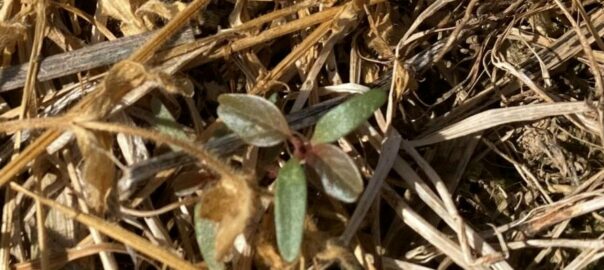
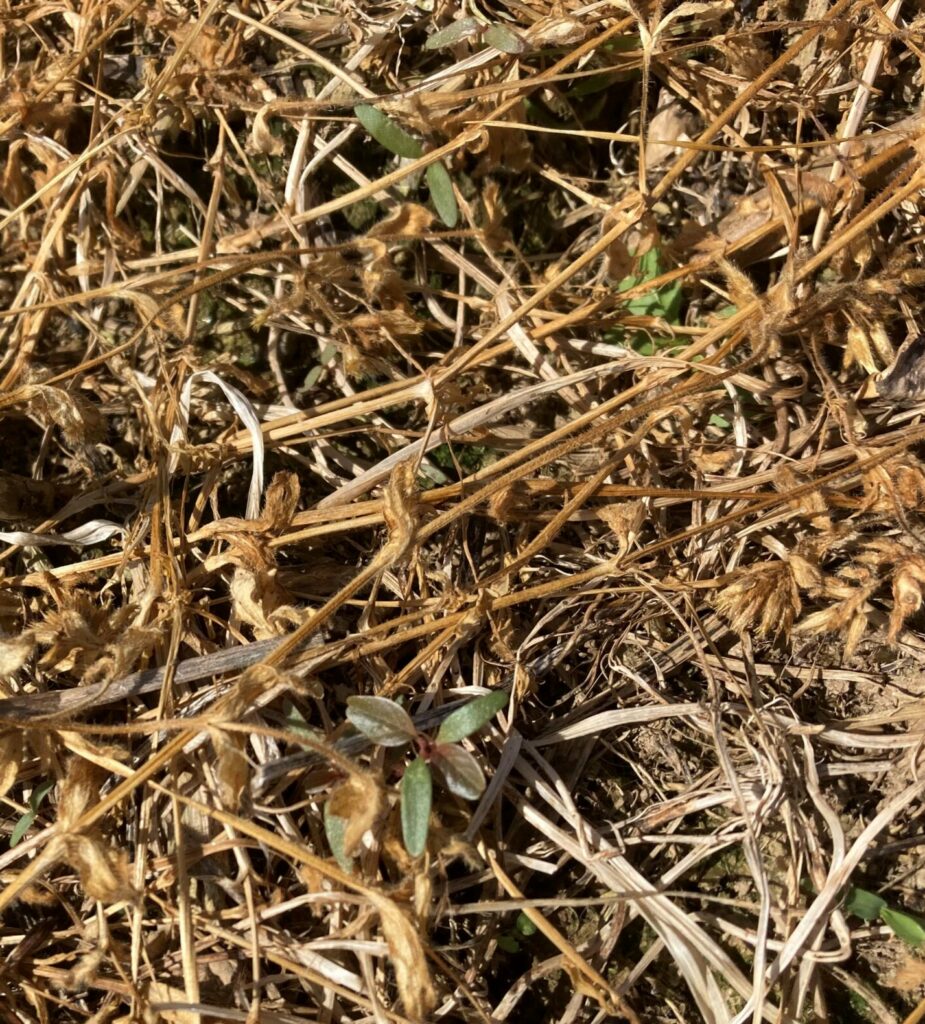
Palmer amaranth has begun to emerge and unfortunately it is not a problem to find seedling Palmer in our fields. This is not a surprise as research from two decades back suggests that environmental conditions like those we experienced the first half of April should be conducive for germination to begin. Continue reading
The constant word I am hearing from retailers is that many herbicides are in tight or limited supply going into the spring. This all started back in late January when the most commonly used spring wheat herbicide, Axial Bold, sold out quickly and was followed shortly by Osprey. This was followed with reports of 2,4-D being in short supply. Continue reading
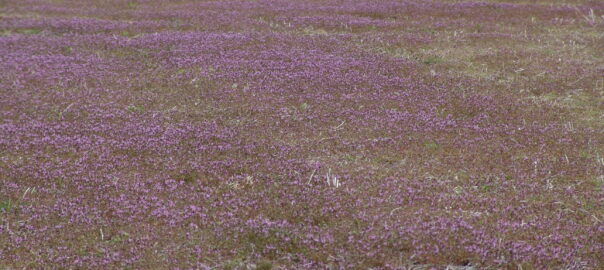
Tennessee fields annually turn a purple color around April 1. The weed henbit (Lamium amplexicaule L.) is the main cause for this color. It has distinct purple flowers and is one of the most commonly found plants in our row crop fields. However, there is a close cousin to henbit, purple deadnettle (Lamium purpureum L.), that is also adding to the purple color in many fields. Continue reading
There are three newer corn herbicide premixes available: Acuron GT, Armezon PRO and Resicore. Below are some thoughts on these newer premixes as well as some that have been around for a spell: Continue reading
It sounds like there is a little more interest in planting grain sorghum this spring compared to more recent years. As such producers who have never planted grain sorghum or have not planted it in years may be trying some this year. With this in mind here are some pointers on weed management recommendations in grain sorghum. Continue reading

Ready or not burndown season is here! There has been very little burndown applied to date. Weather permitting some would like to start corn planting before April 1.

Early Burndown. The challenge to burning down grasses before planting has become increasingly difficult in the last half dozen years. There are two reasons for the sketchy grass control with the traditional burndown application of glyphosate + dicamba. First, the continued evolution of glyphosate resistance in ryegrass, junglerice, johnsongrass and goosegrass have made that “go-to” burndown application inconsistent. Second, we have now documented that dicamba is consistently causing glyphosate to provide poor grass control. As such our recommendation has been to change the “go-to” burndown from glyphosate + dicamba to glyphosate + clethodim.
The problem with using glyphosate + clethodim is that the burndown will miss, or be weak on, some broadleaf weeds, most notably glyphosate-resistant horseweed. During the meeting circuit this winter, several have asked “Is there a herbicide that can be added to glyphosate + clethodim that will provide horseweed control while not sacrificing grass control?” This caused me to go back and examine burndown research we conducted 4 and 5 years ago with Elevore and Verdict. Continue reading