From Chris Main, Brian Leib, David Verbree, and Larry Steckel.
Rainfall continues to be spotty across Tennessee. Some locations have continued to have adequate moisture while other areas continue to miss the passing thunderstorms. Continue reading


From Chris Main, Brian Leib, David Verbree, and Larry Steckel.
Rainfall continues to be spotty across Tennessee. Some locations have continued to have adequate moisture while other areas continue to miss the passing thunderstorms. Continue reading
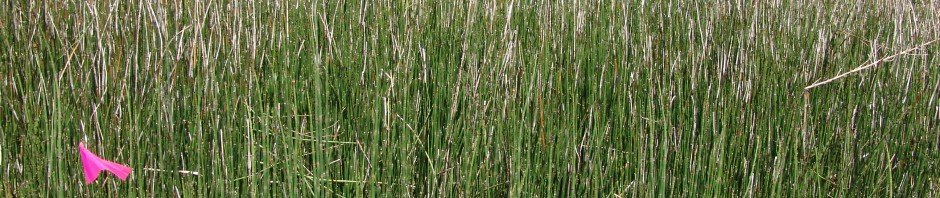

Over the past several years many have had concerns about scouring rush creeping into crop production areas. Scouring rush is not a typical agronomic weed. It normally grows along fence rows, ditch banks, and low lying areas. However, in long term no-tillage production systems scouring rush is increasingly encroaching into crop production areas.
As reported by NASS on May 7, 2012
SCATTERED SHOWERS PROVIDE LITTLE RELIEF
Unusually high temperatures and sunny days combined to minimize the benefits of scattered showers that fell in many areas across the state. Reporters in all regions reiterated the need for a general soaking rain. Row crops were holding on with three-fourths of the corn and winter wheat acres rated in good-to-excellent condition. Crop development continues to advance well ahead of the normal pace. Pastures declined some from the previous week, but cattle were reported to be mostly good condition. Other farm activities this week included post-emergence herbicide and fertilizer applications, cutting hay, scouting for insects and diseases, harvesting strawberries, and continued assessment of freeze damage on fruit crops. Continue reading
There have been a number of reports of Palmer amaranth up with newly emerged soybeans and cotton. There are various reasons for this development. The number one reason is pre applied herbicides were not activated by rainfall and the pigweed emerged with the crop. Continue reading
As reported by NASS on April 30, 2012
A GOOD GENERAL SOAKING RAIN NEEDED!
Rainfall totals throughout most of the state last week were below normal, which led to short-to-very short soil moisture supplies in almost forty percent of the farmland. All crops and pastures, however, remain rated in mostly good-to-excellent condition with development advancing well ahead of the normal pace. Continue reading

Horseweed (marestail) still present in fields after dicamba and glyphosate applied 2 to 3 weeks ago has been the most common call of the week. Many want to know if the twisted up horseweed will go ahead and die or if it will recover (picture right).
Some of this can be determined by pulling some individual horseweed plants out of these fields and breaking the stem in half. If the stem is beginning to discolor or Continue reading
What started out as a decent chance of rain today (Thursday) is quickly turning into isolated pop-up showers for a lucky few for most of the state except east Tennessee. The good news is our crop is young, water needs are low, and I think our corn and bean crops are in decent shape water-wise. But, as temperatures warm up and plants begin to grow, more water will be needed to support plant growth. Our earliest planted corn is at or near V-6 and some irrigation may be needed where Continue reading
 Slugs. There have been a few calls about slug feeding in corn, and I would expect some similar calls in other crops as they emerge. Slugs, unlike snails, lack shells and commonly feed on plants. They feed on leaves and sometimes cut the stems of cotton or soybean seedlings similar to cutworms. Snails rarely cause economic damage to field crops, and the ones typically encountered do not even feed on the plants. There are no Continue reading