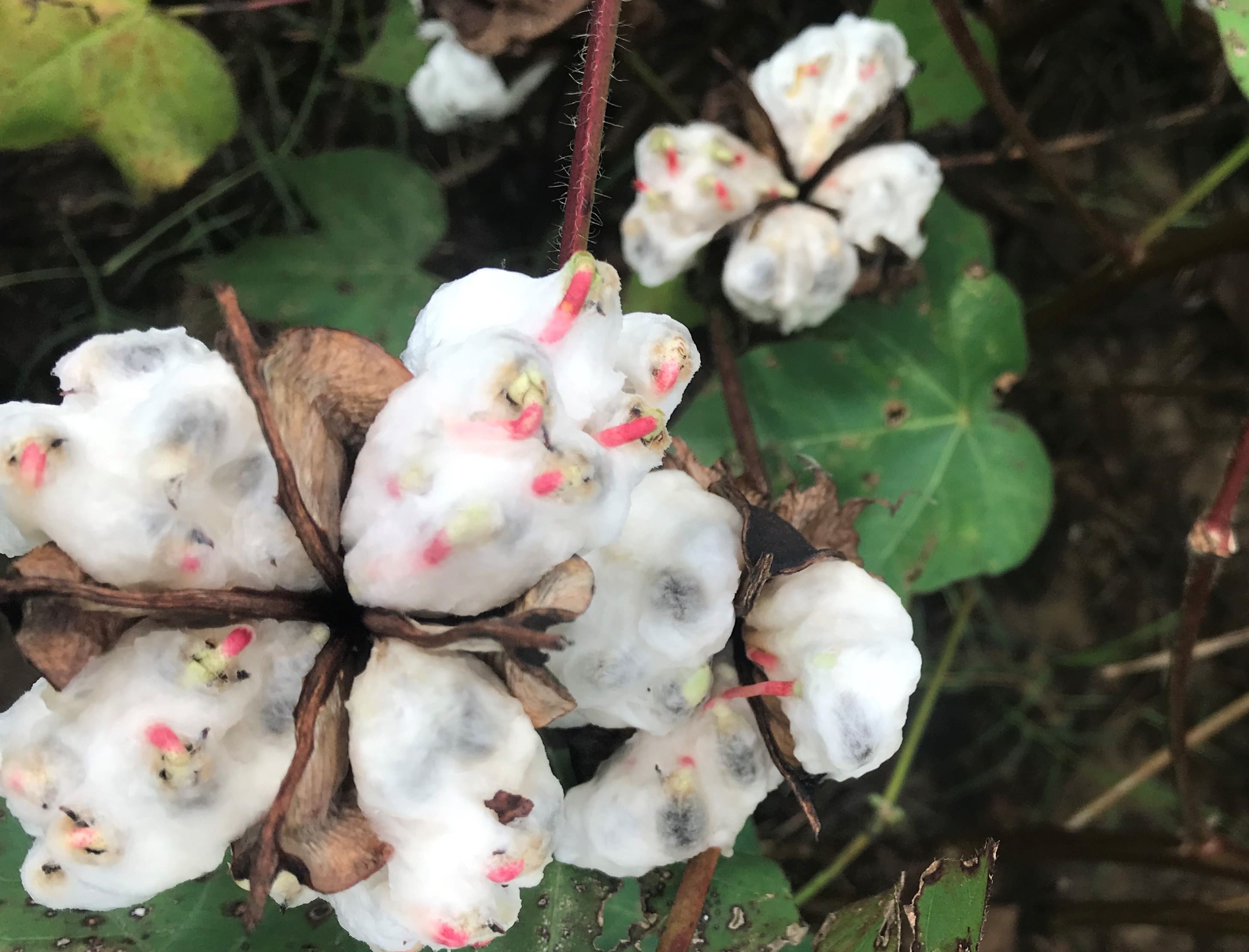
Weather over the past few days has allowed our cotton crop to dry down substantially. Still, it is unlikely the areas which noted sprouting will be dry enough to pick until mid-week (Oct. 3). In this post, I cover the factors to consider and potential impacts should you rush into harvest before the crop has sufficiently dried. Continue reading
Recent Updates
Tennessee Market Highlights
Corn, soybeans, cotton, and wheat were down for the week.
On Friday, the USDA released the much anticipated quarterly Grain Stocks report. The September report provides estimates of corn and soybean stocks at the end of the most recent marketing year (2017/18) and an estimate of wheat stocks as of September 1. The USDA report is available online at USDA Grain Stocks Report.
As of September 1, corn stocks were estimated at 2.14 billion bushels, down 153 million (7%) from last year and 138 million greater than the 2.002 billion bushels estimated in the September WASDE; soybean stocks were estimated at 438 million bushels, up 136 million (45%) from last year and 43 million greater than the 395 million bushels estimated in the September WASDE; and wheat stocks were estimated at 2.379 billion bushels, up 113 million (5%) from last year. Overall, the report was decidedly bearish with the estimates at or exceeding the upper end of the pre-report range. Continue reading at Tennessee Market Highlights.

After sprouting: Protecting existing cotton fiber quality
The past six days of rain found the vast majority of our Upper-MidSouth cotton crop defoliated and open. Unfortunately, these conditions supported emergence of cottonseed while still within the boll- commonly referred to as sprouting. In this blog, I briefly cover best management practices to protect the existing fiber quality. Continue reading
Soilborne Pathogen Screening: 2017 Results and 2018 Screening
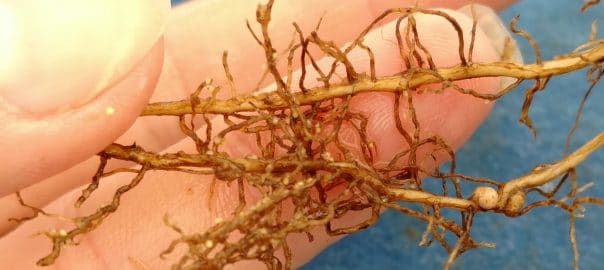
Last week’s article discussed soilborne pathogens as ‘silent yield robbers’ of crops in production fields and the importance of screening. This article elaborates on two of the most common pathogens found in soybean fields, soybean cyst nematode (SCN) and charcoal rot, and presents the results from our 2017 soil screening. Continue reading
Tennessee Weekly Crop & Weather Report
FIELD CROP HARVEST CONTINUES AT RAPID PACE AHEAD OF RAIN
Tennessee producers made great harvest progress ahead of weekend rains, as shown in the increase in sub and topsoil moistures from last week. Hay harvest was in its final stages as winter wheat plantings advanced. Cotton is being defoliated and some harvested. The rain is expected to improve the condition of winter wheat, doublecropped beans, and pastures. Some producers finished harvesting corn and changed headers to start harvesting soybeans. Producers were positive about yields for all crops. There were 5.4 days suitable for field work. Topsoil moisture rated 2 percent very short, 20 percent short, 60 percent adequate, and 18 percent surplus. Subsoil moisture rated 4 percent very short, 22 percent short, 63 percent adequate, and 11 percent surplus. Continue reading at TN_09_24_18. The U.S. Crop Progress report can be read at CropProg-09-24-2018.
Call of the Week: Cover Crops Effect on Cotton Germination
As producers prepare to plant cover species ahead of the 2019 crop, Dr. Avat Shekoofa discusses new research on the effects of cover crop residue on cotton germination and early seedling growth. Listen.
Tennessee Market Highlights
Corn, soybeans, and wheat were up; cotton was down for the week.
Corn and soybean futures were up for the week for the first time in the past three weeks. December corn established a new contact low of $3.42 ½ on Tuesday. On Wednesday, Thursday, and Friday corn rallied 15 cents off the low, closing at $3.57 ½. November soybeans also established a new contract low of $8.12 ¼ on September 18. On Wednesday and Thursday, soybeans rebounded 43 cents off the low before a 3 cent decline on Friday closing at $8.47 ¼. Price action early next week will likely dictate if the rally is sustainable and the harvest contract low has been established. A retreat early next week could result in further price weakness.
In Tennessee, corn and soybean basis remains near record lows as harvest progresses. Record yields will keep cash prices down across Tennessee during this harvest season. Storing a portion of this crop should be considered to avoid the current large negative basis. Continue reading at Tennessee Market Highlights.
Free Soil Testing for Pathogens
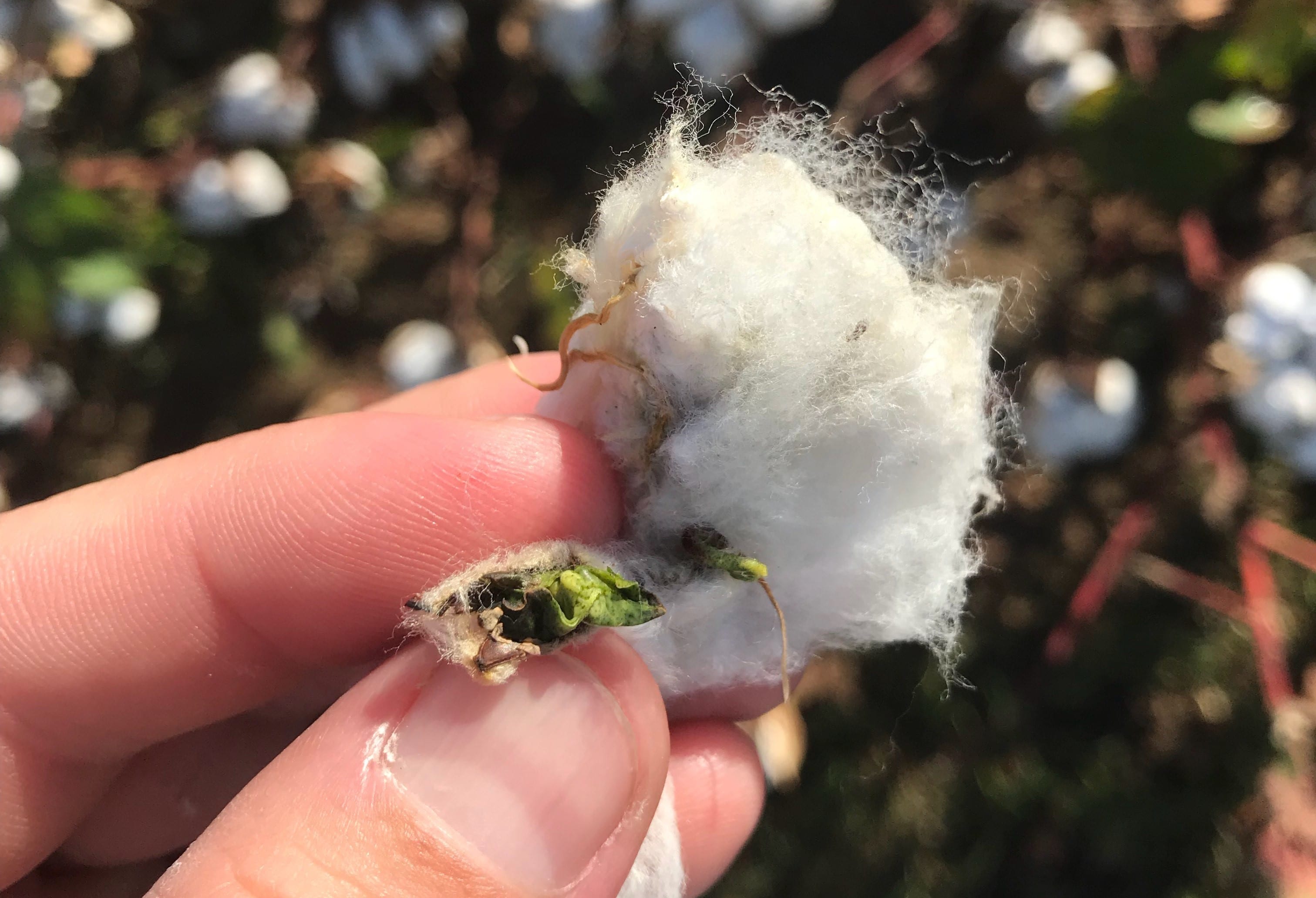
Don’t miss out on the opportunity to have your soil tested for parasitic nematodes and charcoal rot at no cost for Tennessee Farmers ($15 fee for out-of-state samples). Continue reading