Category Archives: Cotton

Tennessee Weekly Crop & Weather Report

Author:  Comments Off on Tennessee Weekly Crop & Weather Report

INCESSANT RAINS BRING FIELD ACTIVITIES TO NEAR HALT

Lots of ill-timed rainfall this last week of September has delayed crop harvest and even drowned a few soybean fields. Before the rainfall yields were expected to be above average; now, we’ll just have to see. Everything else is as expected for September in TN. Matthew Deist, Marion County

There were 1.3 days suitable for field work, compared to 5.4 last week. Topsoil moisture rated 1 percent short, 46 percent adequate,  and 53 percent surplus. Subsoil moisture rated 2 percent short, 59 percent adequate, and 39 percent surplus. Continue reading at TN_10_01_18.  The U.S. Crop Progress report can be read at CropProg-10-01-2018.


When should I resume picking?

Author:  Comments Off on When should I resume picking?

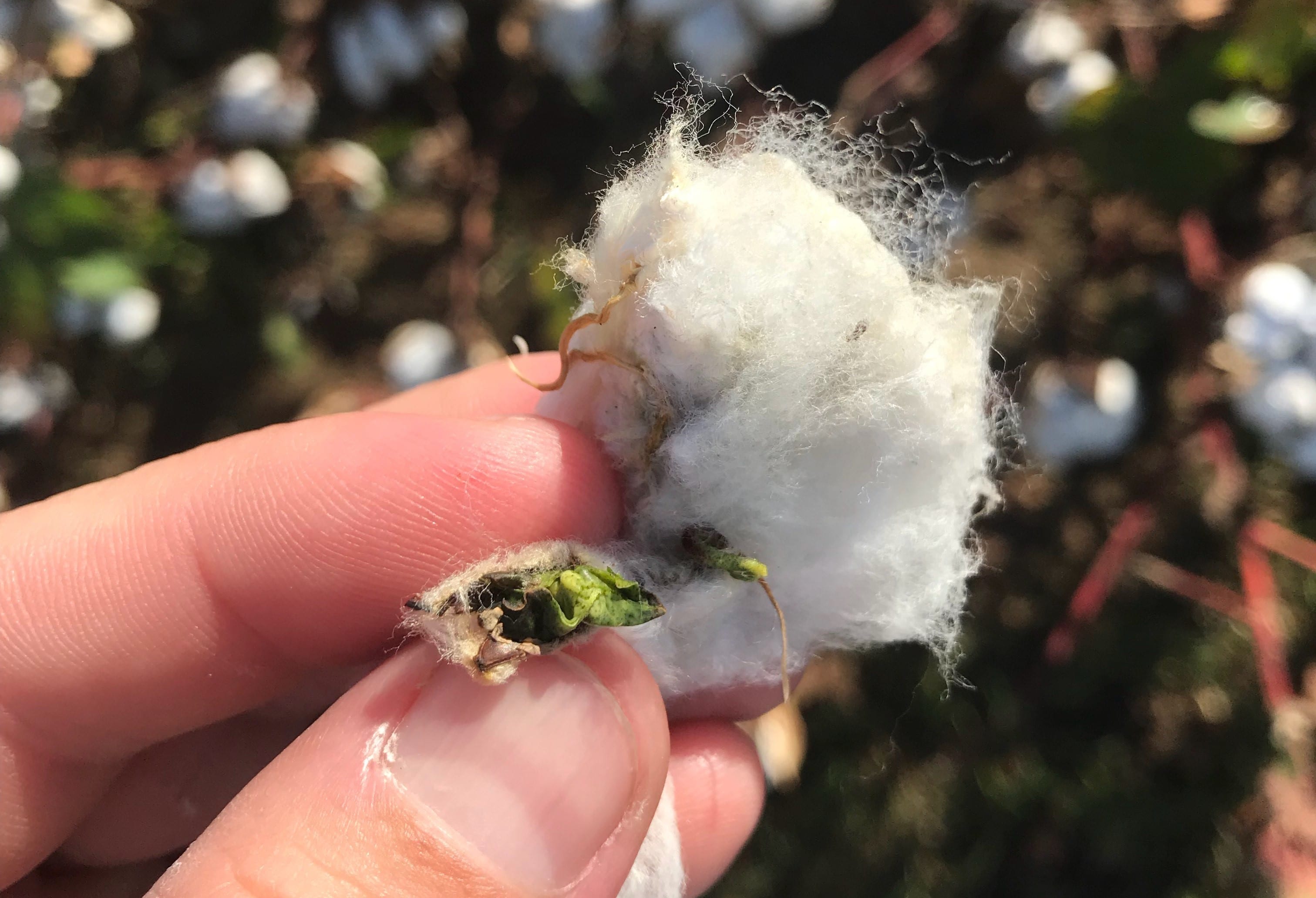
Hand holding cotton boll in fieldWeather over the past few days has allowed our cotton crop to dry down substantially. Still, it is unlikely the areas which noted sprouting will be dry enough to pick until mid-week (Oct. 3). In this post, I cover the factors to consider and potential impacts should you rush into harvest before the crop has sufficiently dried.  Continue reading →


Tennessee Market Highlights

Author:  Comments Off on Tennessee Market Highlights

Corn, soybeans, cotton, and wheat were down for the week.

On Friday, the USDA released the much anticipated quarterly Grain Stocks report. The September report provides estimates of corn and soybean stocks at the end of the most recent marketing year (2017/18) and an estimate of wheat stocks as of September 1. The USDA report is available online at USDA Grain Stocks Report.

As of September 1, corn stocks were estimated at 2.14 billion bushels, down 153 million (7%) from last year and 138 million greater than the 2.002 billion bushels estimated in the September WASDE; soybean stocks were estimated at 438 million bushels, up 136 million (45%) from last year and 43 million greater than the 395 million bushels estimated in the September WASDE; and wheat stocks were estimated at 2.379 billion bushels, up 113 million (5%) from last year. Overall, the report was decidedly bearish with the estimates at or exceeding the upper end of the pre-report range. Continue reading at Tennessee Market Highlights.


After sprouting: Protecting existing cotton fiber quality

Author:  Comments Off on After sprouting: Protecting existing cotton fiber quality

Close-up of cotton bolls on plant in field.

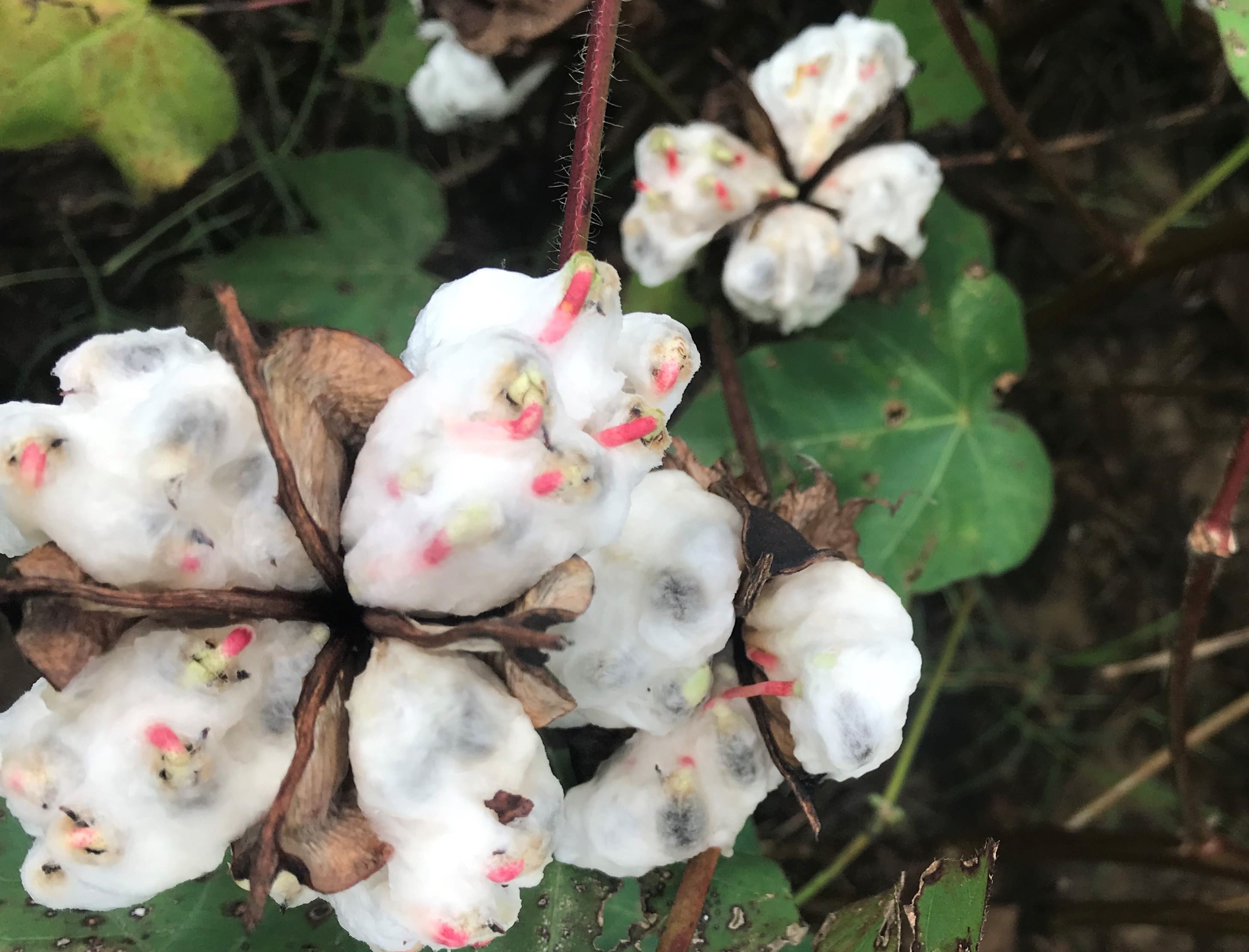
The past six days of rain found the vast majority of our Upper-MidSouth cotton crop defoliated and open.  Unfortunately, these conditions supported emergence of cottonseed while still within the boll- commonly referred to as sprouting.  In this blog, I briefly cover best management practices to protect the existing fiber quality.   Continue reading →


Tennessee Weekly Crop & Weather Report

Author:  Comments Off on Tennessee Weekly Crop & Weather Report

FIELD CROP HARVEST CONTINUES AT RAPID PACE AHEAD OF RAIN

Tennessee producers made great harvest progress ahead of weekend rains, as shown in the increase in sub and topsoil moistures from last week. Hay harvest was in its final stages as winter wheat plantings  advanced. Cotton is being defoliated and some harvested. The rain is expected to improve the condition of winter wheat, doublecropped beans, and pastures. Some producers finished harvesting corn and changed headers to start harvesting soybeans. Producers were positive about yields for all crops. There were 5.4 days suitable for field work. Topsoil moisture rated 2 percent very short, 20 percent short, 60 percent adequate, and 18 percent surplus. Subsoil moisture rated 4 percent very short, 22 percent short, 63 percent adequate, and 11 percent surplus.  Continue reading at TN_09_24_18. The U.S. Crop Progress report can be read at CropProg-09-24-2018.


Tennessee Market Highlights

Author:  Comments Off on Tennessee Market Highlights

Corn, soybeans, and wheat were up; cotton was down for the week.

Corn and soybean futures were up for the week for the first time in the past three weeks. December corn established a new contact low of $3.42 ½ on Tuesday. On Wednesday, Thursday, and Friday corn rallied 15 cents off the low, closing at $3.57 ½. November soybeans also established a new contract low of $8.12 ¼ on September 18. On Wednesday and Thursday, soybeans rebounded 43 cents off the low before a 3 cent decline on Friday closing at $8.47 ¼. Price action early next week will likely dictate if the rally is sustainable and the harvest contract low has been established. A retreat early next week could result in further price weakness.

In Tennessee, corn and soybean basis remains near record lows as harvest progresses. Record yields will keep cash prices down across Tennessee during this harvest season. Storing a portion of this crop should be considered to avoid the current large negative basis. Continue reading at Tennessee Market Highlights.


Inhibitions of cotton germination and early seedling growth by cover crop residues

Authors: Avat Shekoofa, Sara Safikhan, Tyson Raper, and Shawn Butler

 Cover crops have been used to suppress weeds, reduce erosion, and increase water infiltration for many years. While cover crops can improve soil quality and physical properties, integration of cover crops into row crop production-specifically cotton- remains challenging. One potential negative impact on cotton growth may come from allelopathy.  Allelopathy is defined as the direct or indirect harmful or beneficial effects of one plant on another through the production of chemical compounds that escape into the environment (Fig. 1). Although allelopathic toxicity of cover crops can suppress weeds and therefore assist in weed control, they may also suppress cotton germination and reduce stand. Little is currently known about the actual allelopathic effects of cover crops on germination and seedling growth of cotton. Proper selection of cover crop species and termination timing could potentially reduce the allelopathic toxicity which negatively impacts cotton germination and early seedling growth.

Continue reading →