Category Archives: Cotton

Thrips Still Causing Problems in Cotton

Author:  Comments Off on Thrips Still Causing Problems in Cotton

High numbers of thrips continue to be reported on cotton, and this may be a record book year for thrips across the Belt. The bad news is that these high numbers can further delay a relatively late crop.  Seed treatments are not bullet proof to high migration of adults and poor growing conditions. The good news is Continue reading →


Crop Watch

As reported by NASS on May 31, 2011

SOYBEAN AND COTTON PLANTING CONTINUE BETWEEN STORMS

Wet, stormy spring weather resumed early last week, followed by a hot and dry weekend. Although farmers were kept out of some wet fields, planting progress occurred and the wheat and hay crops continued to mature. A third of the state’s soybean acreage was planted by week’s end, placing it about a week behind schedule. At 61% planted, the cotton crop was also about a week behind the average pace. Continue reading →


Prevathon & Voliam xpress – New Insecticides

Author:  Comments Off on Prevathon & Voliam xpress – New Insecticides

DuPont has received a label for Prevathon which includes uses in cotton, pasture grasses, and field, pop and seed corn. The active ingredient (rynaxypyr or chlorantraniliprole) is the same as in another DuPont product called Coragen. However, Prevathon is the product that will be marketed in field crops.  Continue reading →


Close-up of leafy plant in dry soil.

Thrips-O-Plenty (Cotton & Soybean)

Author:  Comments Off on Thrips-O-Plenty (Cotton & Soybean)

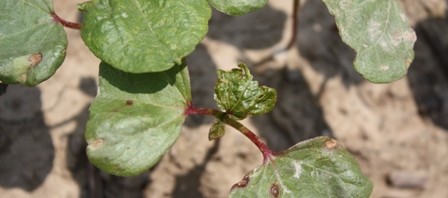
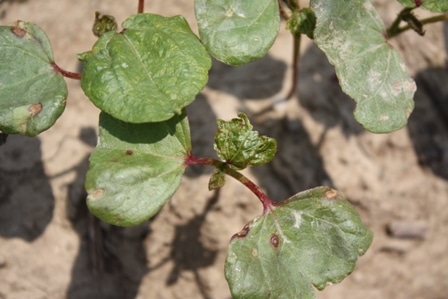
Close-up of leafy plant in dry soil.COTTON: A number of private consultants have already commented on high thrips pressure this year, some as high as 6-12 thrips on cotyledon and one leaf plants. This high pressure is a common theme across much of the Belt this year.  Repeating from last week …. the risk of thrips causing yield loss increases as the time between planting and cotton reaching the second or third true leaf stage increases.  Keep track of the days elapsed between emergence and seeing the first true leaf. Consider applying insecticide Continue reading →


Crop Watch

As reported by NASS on May 23, 2011

SOYBEAN PLANTING BEGINS IN EARNEST, CORN PLANTING STILL UNDERWAY

For most of last week, inclement weather stayed out of the way and allowed Tennessee farmers to plant. Crop producers were able to follow up with another productive week. Nearly half of the state’s cotton acreage and one-fourth of the soybean acreage were planted by week’s end. With the exception of low-lying fields affected by earlier flooding, most of Tennessee’s corn for grain acreage has been planted and row crop farmers have turned their attention to planting single-crop soybeans and corn silage. Continue reading →


Cotton Scout School on Friday, May 27th

Author:  Comments Off on Cotton Scout School on Friday, May 27th

The annual UT Cotton Scout School will be held Friday, May 27th. The school will be held in Jackson at the West Tennessee Research and Education Center. Registration will start at 8:00 AM, and the program will begin at 8:30 AM. A box lunch will be provided, and those interested can attend a “go to the field” session after lunch. Registration is FREE and pre-registration is NOT required. Topics covered will include cotton growth and development, identification of pests, beneficial insects and weeds (including those resistant to glyphosate). Live and preserved specimens will be available for viewing.


Close-up of corn leaf with disease symptoms.

Questions on Fomesafen Affecting Corn and Cotton

Author:  Comments Off on Questions on Fomesafen Affecting Corn and Cotton
 
Close-up of corn leaf with disease symptoms.
Flexstar Carryover Leaf Symptoms in Corn

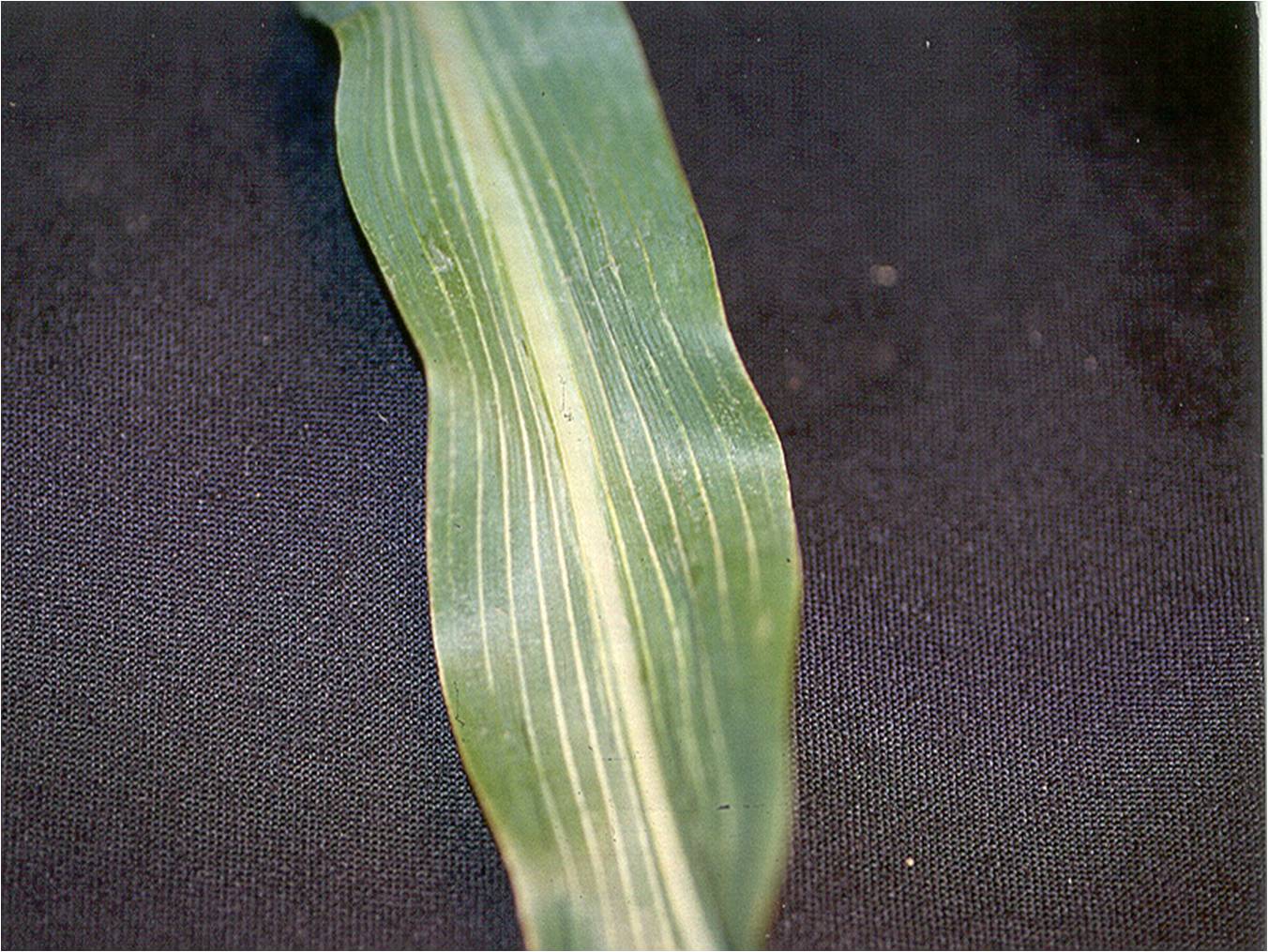
The call of the week has been concerns on the herbicide fomesafen (Flexstar, Reflex).  A few farmers believe (and some are correct) that they have Flexstar carryover stunting corn.  There is a 10 month wait to plant corn after a Flexstar application just for carryover reasons.  If Flexstar is applied after mid-June and is coupled with a dry fall there is a chance for carryover. Corn suffering from Flexstar carryover will display very distinctive leaf symptoms. The corn leaf veins will turn yellow to brown and the midrib will often become distinctly yellowish/brown while the tissue between the veins Continue reading →