From Chris Main, Brian Leib, David Verbree, and Larry Steckel.
Rainfall continues to be spotty across Tennessee. Some locations have continued to have adequate moisture while other areas continue to miss the passing thunderstorms. Continue reading


From Chris Main, Brian Leib, David Verbree, and Larry Steckel.
Rainfall continues to be spotty across Tennessee. Some locations have continued to have adequate moisture while other areas continue to miss the passing thunderstorms. Continue reading
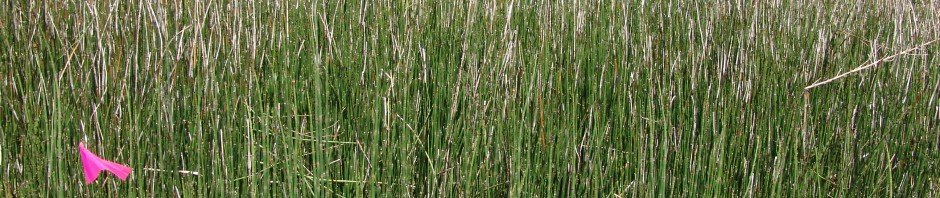

Over the past several years many have had concerns about scouring rush creeping into crop production areas. Scouring rush is not a typical agronomic weed. It normally grows along fence rows, ditch banks, and low lying areas. However, in long term no-tillage production systems scouring rush is increasingly encroaching into crop production areas.
As reported by NASS on May 7, 2012
SCATTERED SHOWERS PROVIDE LITTLE RELIEF
Unusually high temperatures and sunny days combined to minimize the benefits of scattered showers that fell in many areas across the state. Reporters in all regions reiterated the need for a general soaking rain. Row crops were holding on with three-fourths of the corn and winter wheat acres rated in good-to-excellent condition. Crop development continues to advance well ahead of the normal pace. Pastures declined some from the previous week, but cattle were reported to be mostly good condition. Other farm activities this week included post-emergence herbicide and fertilizer applications, cutting hay, scouting for insects and diseases, harvesting strawberries, and continued assessment of freeze damage on fruit crops. Continue reading
There have been a number of reports of Palmer amaranth up with newly emerged soybeans and cotton. There are various reasons for this development. The number one reason is pre applied herbicides were not activated by rainfall and the pigweed emerged with the crop. Continue reading
UT Cotton Scout School on Friday, May 25th at the West Tennessee Research and Education Center in Jackson. Registration will begin at 8:00 AM (no fee or preregistration required). The program will end with a box lunch and a go-to-the-field session for those interested after lunch.
Overall, I’m not getting any reports of widespread problems in any crop, but there has been a smattering of several things including … Continue reading
As reported by NASS on April 30, 2012
A GOOD GENERAL SOAKING RAIN NEEDED!
Rainfall totals throughout most of the state last week were below normal, which led to short-to-very short soil moisture supplies in almost forty percent of the farmland. All crops and pastures, however, remain rated in mostly good-to-excellent condition with development advancing well ahead of the normal pace. Continue reading
Two new Cotton Production Fact Sheets are available as web based documents. Continue reading