All posts by Larry Steckel, Extension Weed Specialist

Two Tanks, One Goal: Smarter Weed Control Strategies

Author: and  Comments Off on Two Tanks, One Goal: Smarter Weed Control Strategies

The use of precision agricultural technologies is rapidly advancing in row crop production. The latest of these technologies includes the introduction of ground sprayers that utilize AI technology for making targeted pesticide applications. The goal was to enable growers to reduce herbicide use while increasing crop production by precisely targeting weeds. Some questions have been raised about whether there are any additional benefits to this technology beyond reduced pesticide use.

Some of these sprayers are equipped with two separate tanks, each with its corresponding plumbing and boom. A single sprayer can utilize a dual boom system, where two pesticides can be sprayed simultaneously but not mixed. This allows a grower to make a broadcast application in one boom and use the targeted application boom to only turn on when a weed is detected. While you may see a decrease in pesticide use with the targeted application boom, you may also observe a beneficial effect when certain herbicides are sprayed separately, rather than being tank-mixed. Continue reading


Winning the War on Italian Ryegrass Starts in the Fall

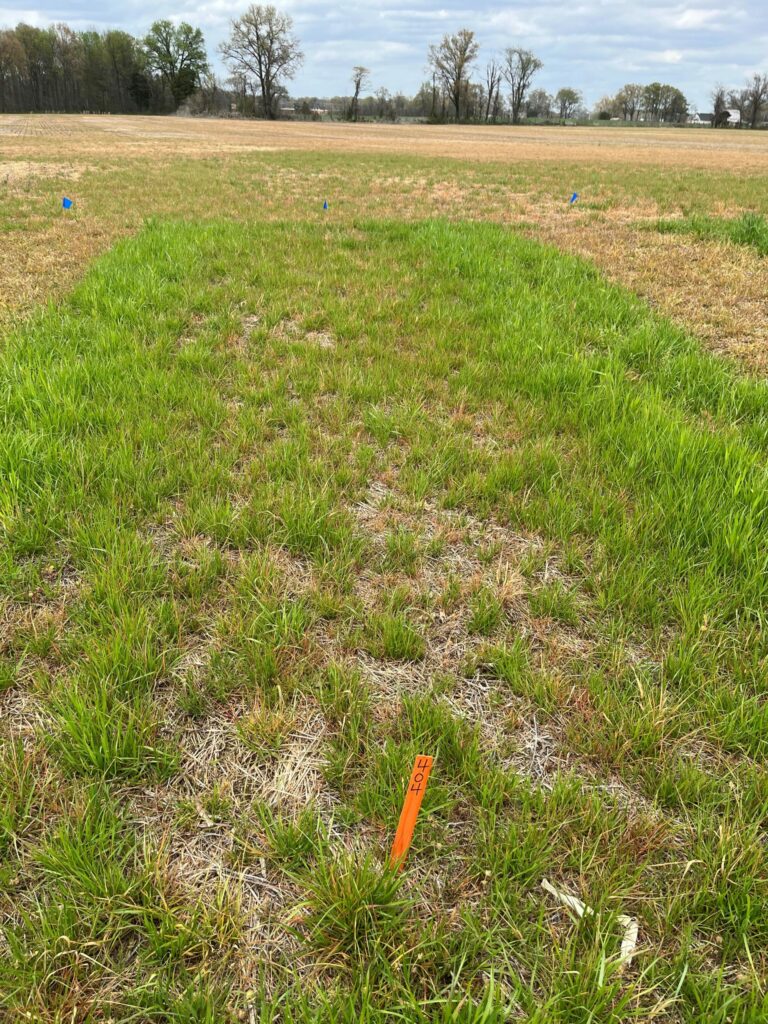
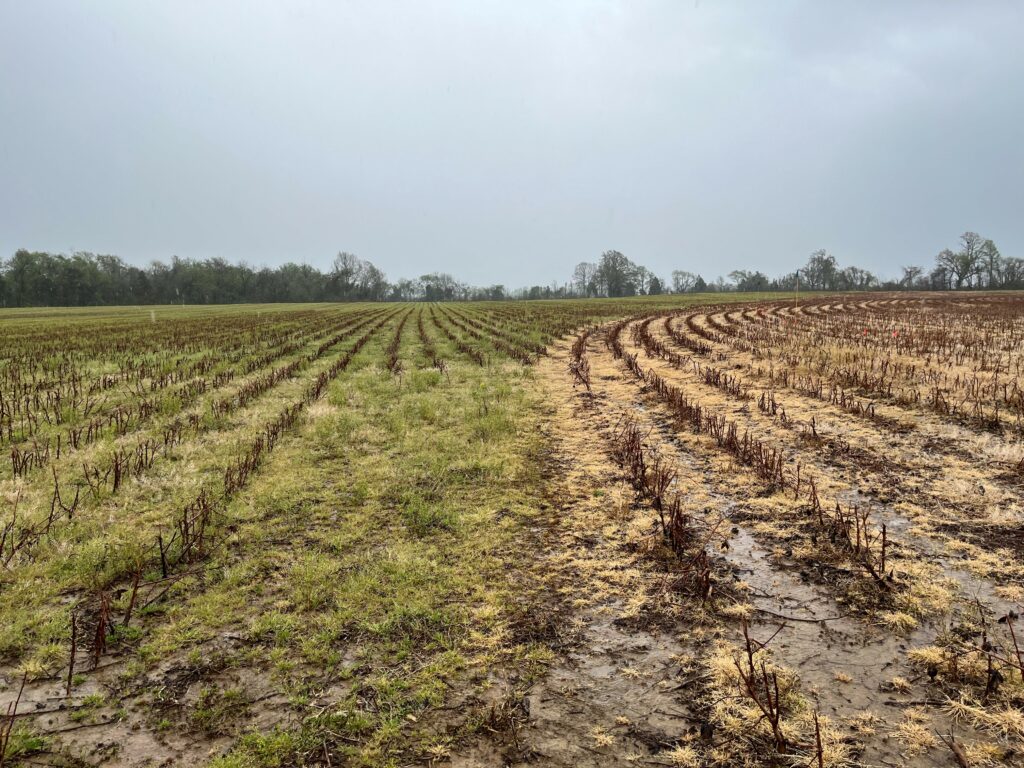
Italian ryegrass is becoming one of the most troublesome weeds in the Mid-South for many reasons, including herbicide resistance. Herbicide-resistant Italian ryegrass is particularly problematic due to its ability to survive applications of glyphosate and clethodim. The most effective way to control ryegrass is to prevent emergence by applying residual herbicides in the fall. Tennessee has many relatively hilly fields, which raises concerns about soil erosion without some winter plant coverage. Although fall residual herbicides are effective for controlling ryegrass, the limited time available during the busy harvest season often makes applications impractical. Continue reading


Bleacher Herbicides Under Pressure: The Emerging Risk of HPPD Resistance

Author: and  Comments Off on Bleacher Herbicides Under Pressure: The Emerging Risk of HPPD Resistance
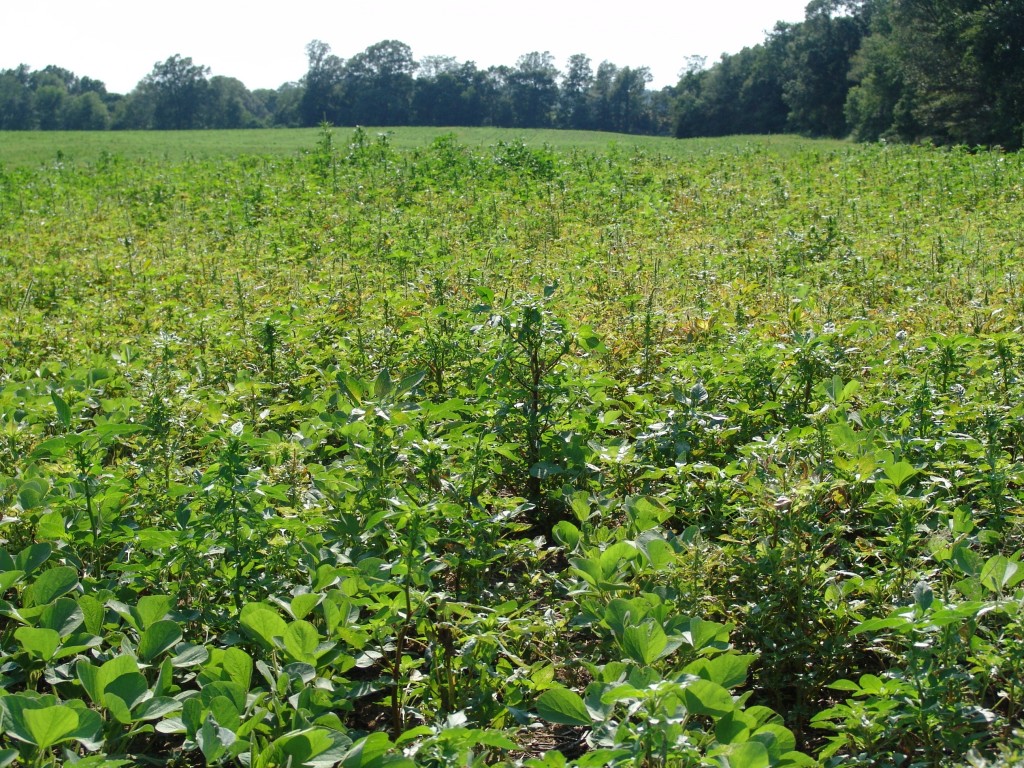
Green plants growing in a field
Palmer amaranth escaping bleacher herbicide application

Pigweed problems are nothing new for growers across the region. With Palmer amaranth having confirmed resistance to five herbicide modes of action in Tennessee, control options continue to be limited. Historically, bleacher (Group 27 HPPD inhibitors) applications have provided sufficient control, especially in corn. In recent years, there has been growing concern for the level of control observed when using these products. Continue reading


Goosegrass Persists In Too Many Fields

Author:  Comments Off on Goosegrass Persists In Too Many Fields
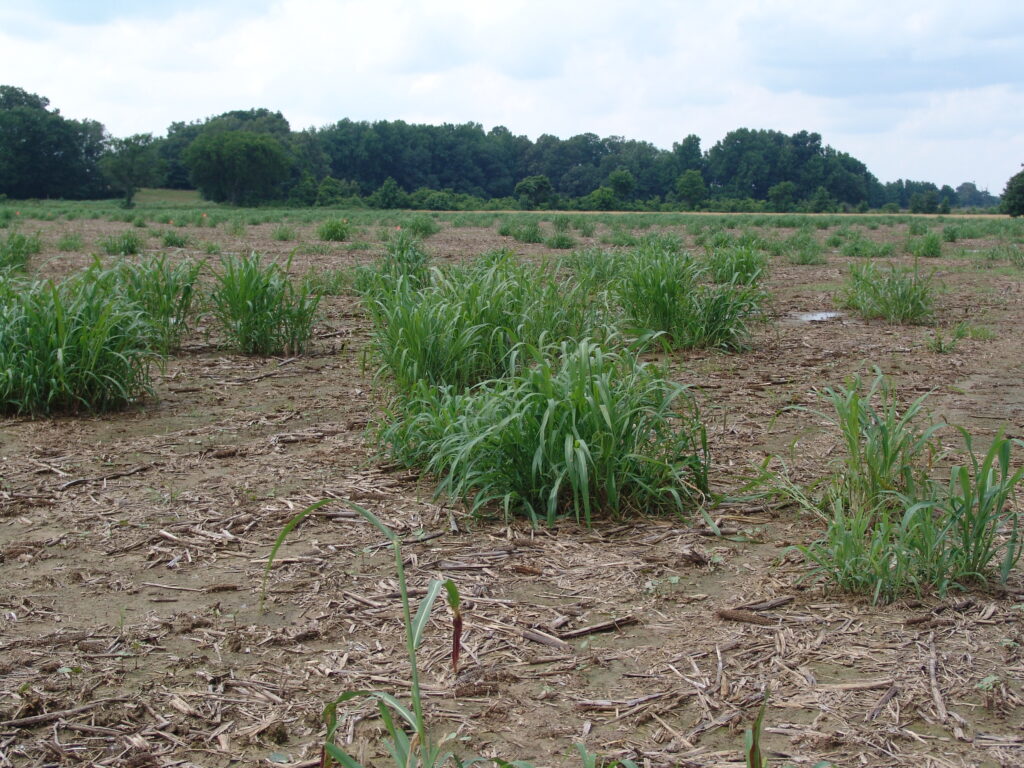
Lush green field with young plants and trees.
Goosegrass escaping clethodim application

Serious infestations of goosegrass have proven to be way too persistent in many cotton and soybean fields (Picture 1).  Many are getting frustrated with the lack of control seen with tankmixes that contain glyphosate and/or clethodim.  Some have asked if maybe some of these grasses have developed resistance to glyphosate and/or clethodim. Continue reading


Running Out of Money Before We Run Out of Pigweed and Preventive Plant Weed Management

Author:  Comments Off on Running Out of Money Before We Run Out of Pigweed and Preventive Plant Weed Management
Lush green soybean field under cloudy sky.
Palmer amaranth escaping multiple auxin-herbicide and Liberty applications

“We are going to run out of money before we run out of pigweed” one veteran West Tennessee weed manager stated last week. That really sums up where we are now in many fields. These are fields where frequent rain has made timely POST applications very hard to get done or in fields where timely applications were made but herbicide resistance limited the control. Fortunately, that does not describe every field as many are relatively clean.  Overall this year though, it is clear we will have to live with Palmer amaranth in more fields than we would like. Continue reading


Herbicide-Resistant Palmer Amaranth Control in Enlist Crops

Green field with rows of crops under blue sky.
(Picture 1) Palmer amaranth Escaping Liberty followed by Enlist One + Liberty

Herbicide-resistant Palmer amaranth observations and calls have started. Most recent calls have been from some who have switched from Xtend to Enlist crops.  They are finding that the sketchy pigweed control in Xtend crops they experienced in previous years is also problematic in an Enlist crop.  This would be consistent with our research that has often shown that Palmer amaranth that is resistant to dicamba is cross resistant to 2,4-D. Continue reading


Large Palmer Amaranth Management in Soybean

Expansive green soybean field under blue sky.
Large Palmer Amaranth in Soybean

Most soybeans in Tennessee are now planted in 15 to 7.5” rows.  This can help on weed control as the soil is shaded more quickly.  Shaded soil will reduce weed seed germination rates. A good PRE-applied herbicide coupled with narrow rows and effective POST applied options is a very sound weed management strategy.

However, in fields where Palmer amaranth is resistant to POST over-the-top herbicides, planting in wide rows and using a cultivator or hooded herbicide application can be an effective weed management option. Continue reading


Large Palmer Amaranth Management in Cotton

Author:  Comments Off on Large Palmer Amaranth Management in Cotton
Lush green field with rows of crops
Large Palmer amaranth in cotton

All the frequent rain through June has made it nearly impossible to spray fields even close to timely. This has left many cotton fields with large goosegrass and Palmer amaranth.  The typical post application to control both those weeds is a tankmix of Liberty and clethodim.  This tankmix can often provide fair control of large goosegrass.  However, Palmer amaranth too often will recover. In those cases, hooded or post-direct applications should be Continue reading