Category Archives: Soybean

Ryegrass Issues Persist and Johnsongrass Management

Author:  Comments Off on Ryegrass Issues Persist and Johnsongrass Management
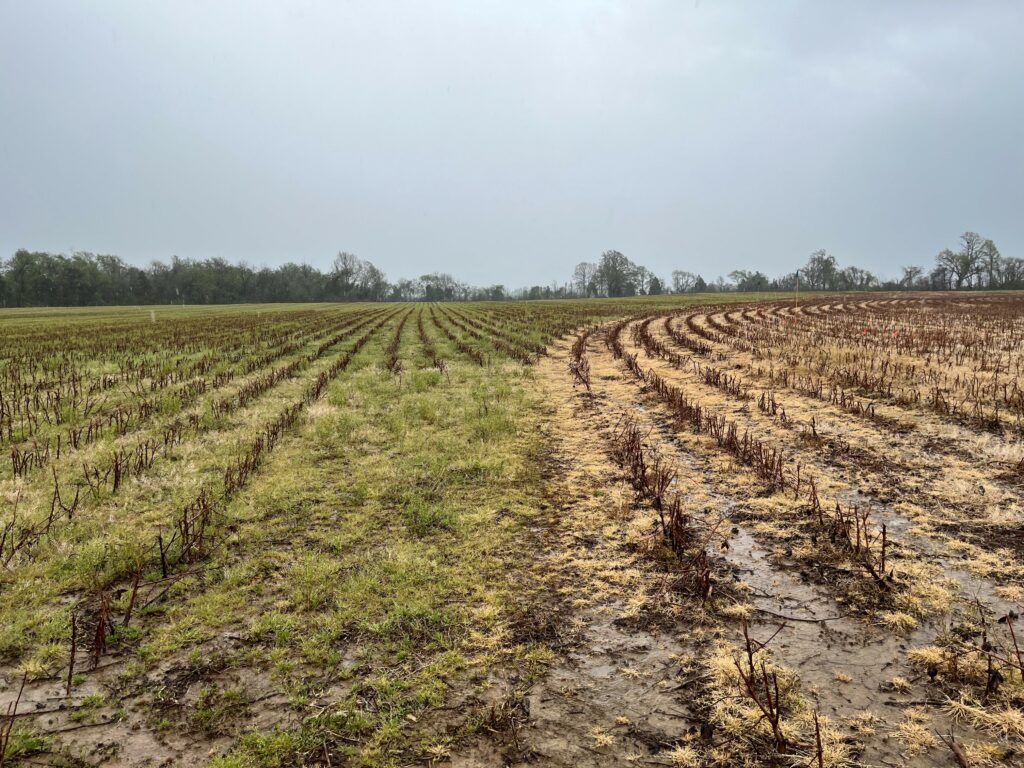
Open field with sparse greenery under cloudy sky.
Ryegrass Infestation in Corn

Ryegrass infestations still persist in some fields.  In cotton and soybeans, clethodim can be used now to push this weed on to maturity. In corn, other than just going out and spraying the typical POST corn premix and hoping that pushes the ryegrass on to maturity there is no real solution to controlling it. Continue reading →


Nutrient Deficiency – Nitrogen

Author:  Comments Off on Nutrient Deficiency – Nitrogen

This is the first of several installments dealing with commonly observed nutrient deficiencies in corn and soybean.  Each week, a new macro or micro nutrient will be posted and discussed. The main objective of this series will be to discuss for each nutrient: (1) visual symptomology of deficiency, (2) plant and leaf tissue deficiency levels, (3) common causes of deficiency, and (4) in-season corrective measures. Continue reading →


2023 Soybean Replant Decisions

Author:  Comments Off on 2023 Soybean Replant Decisions

Soybean replanting decisions are almost always a tough call and a subjective decision.  In 2023, favorable planting conditions in late March and early April have resulted in quite a few acres being planted.  As we head into the month of May, let’s take a look at some objective factors that can help inform replant decisions. Continue reading →


Mitigating Potential Herbicide Mixing Issues

Author:  Comments Off on Mitigating Potential Herbicide Mixing Issues

This time of year as we move to burndown behind the planter we typically get some reports of mixing issues when either glyphosate or Gramoxone is added to the tank with residual herbicides like atrazine, metribuzin, Cotoran, Caparol, fomesafen or a pyroxasulfone containing product.  What happens is the white herbicides will often clabber up and stop up screens and strainers in the sprayer. Continue reading →


Application Time of Day Affects Gramoxone Performance on Some Weeds

Author:  Comments Off on Application Time of Day Affects Gramoxone Performance on Some Weeds

With the planting season started, many people are thinking about using Gramoxone (paraquat) as a burndown for many weeds present at planting.  Gramoxone is a very good broad-spectrum herbicide that has been the go to for burndown of many winter and summer annual broadleaf weeds. With Palmer amaranth starting to emerge, Gramoxone is the only sure thing that will control it. However, it is less consistent controlling some weeds like horseweed (marestail). Continue reading →


Early Burndown Results

Author:  Comments Off on Early Burndown Results
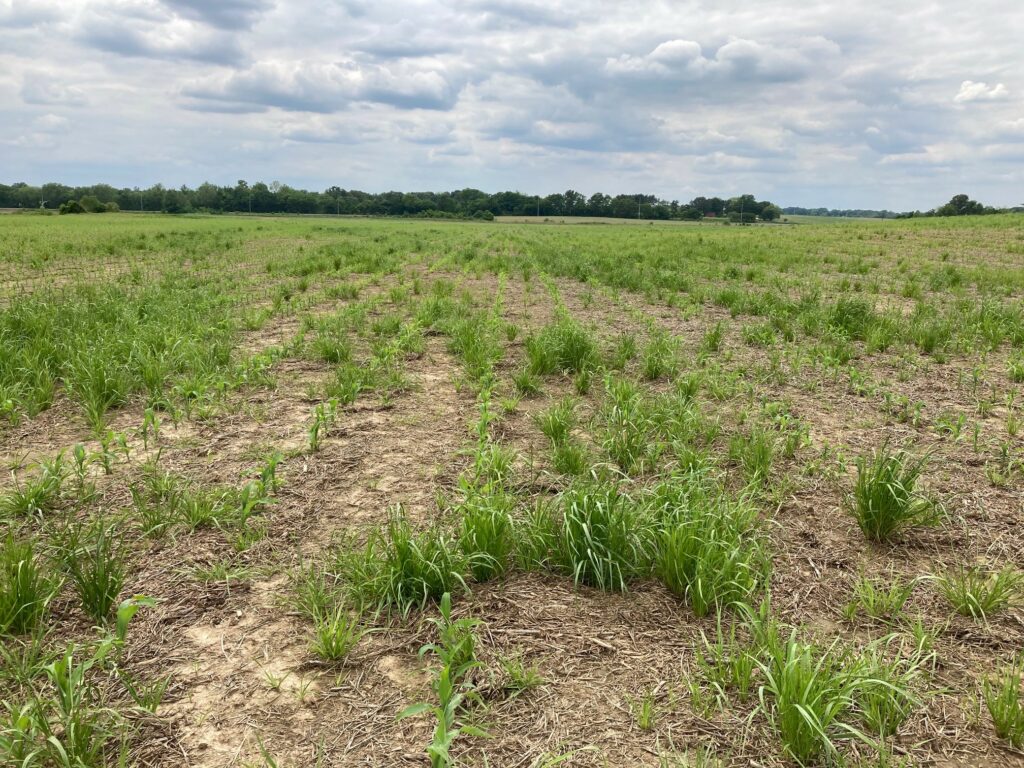
Rainy day on muddy harvested field.
Picture 1. Left Untreated – Right 40 ozs Roundup Power Max 3 Applied March 17, 2023

We have had the opportunity to observe field and demo burndowns around West Tennessee.  In general, going back “old school” and applying glyphosate alone provided very effective burndown.  This includes applications made back in mid-March when night time temperatures were below freezing (Picture 1). Continue reading →


Early Planting and Growing Degree Days

Author:  Comments Off on Early Planting and Growing Degree Days

As warmer temperatures creep into the forecast each spring, farmers and researchers alike begin to consider just how soon to pull the trigger and put seed into the ground. While these early planting dates may fall slightly outside of what is considered nominal for corn and soybean, certain situations may still provide growers a window of opportunity for early planting. Continue reading →


Importance of Using Effective Residual Herbicides in Soybean and Cotton

Author:  Comments Off on Importance of Using Effective Residual Herbicides in Soybean and Cotton
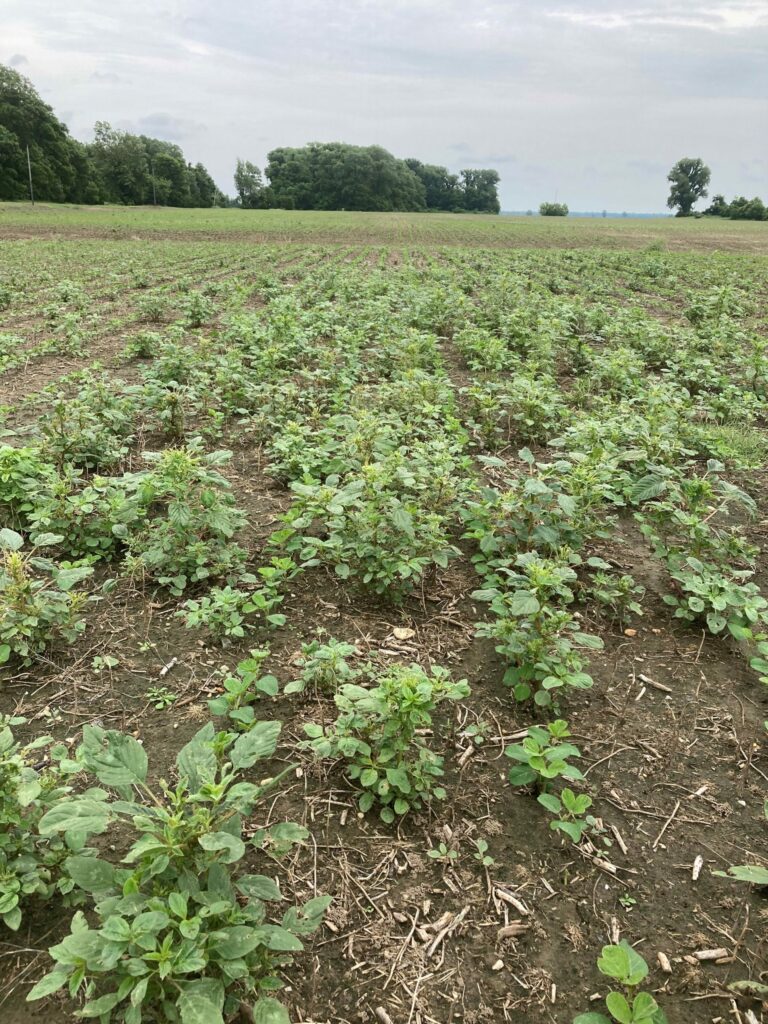
Green crops growing in a large field.
2022 Palmer amaranth escape Engenia + glyphoste PRE/ followed by Engenia + Glyphosate applied POST. (Picture 1)

Increase in input costs and lower relative commodity prices compared to last year may tempt some to forgo using a PRE this spring.  Since glyphosate and dicamba have actually gone down in price, it may be tempting to try this combination near planting, then hope that dicamba will provide enough residual weed control to hold until those herbicides can be applied again early POST.   Continue reading →